

Poison Ivy Treatment
in Phoenix, AZ

Dealing with poison ivy can be more than just an itchy nuisance – it can disrupt daily life, interfere with work or school, and cause uncomfortable skin reactions that seem to linger. Many patients seek professional treatment to relieve severe itching, reduce inflammation, prevent infection from scratching, and speed up the healing process. For residents of Phoenix, AZ, our specialized care offers safe, effective options tailored to sensitive or severe cases, helping patients regain comfort and confidence while minimizing the risk of long-term skin irritation. Regency Specialties provides professional guidance and treatment to address these concerns and support faster, more comfortable recovery.

What Is Poison Ivy?

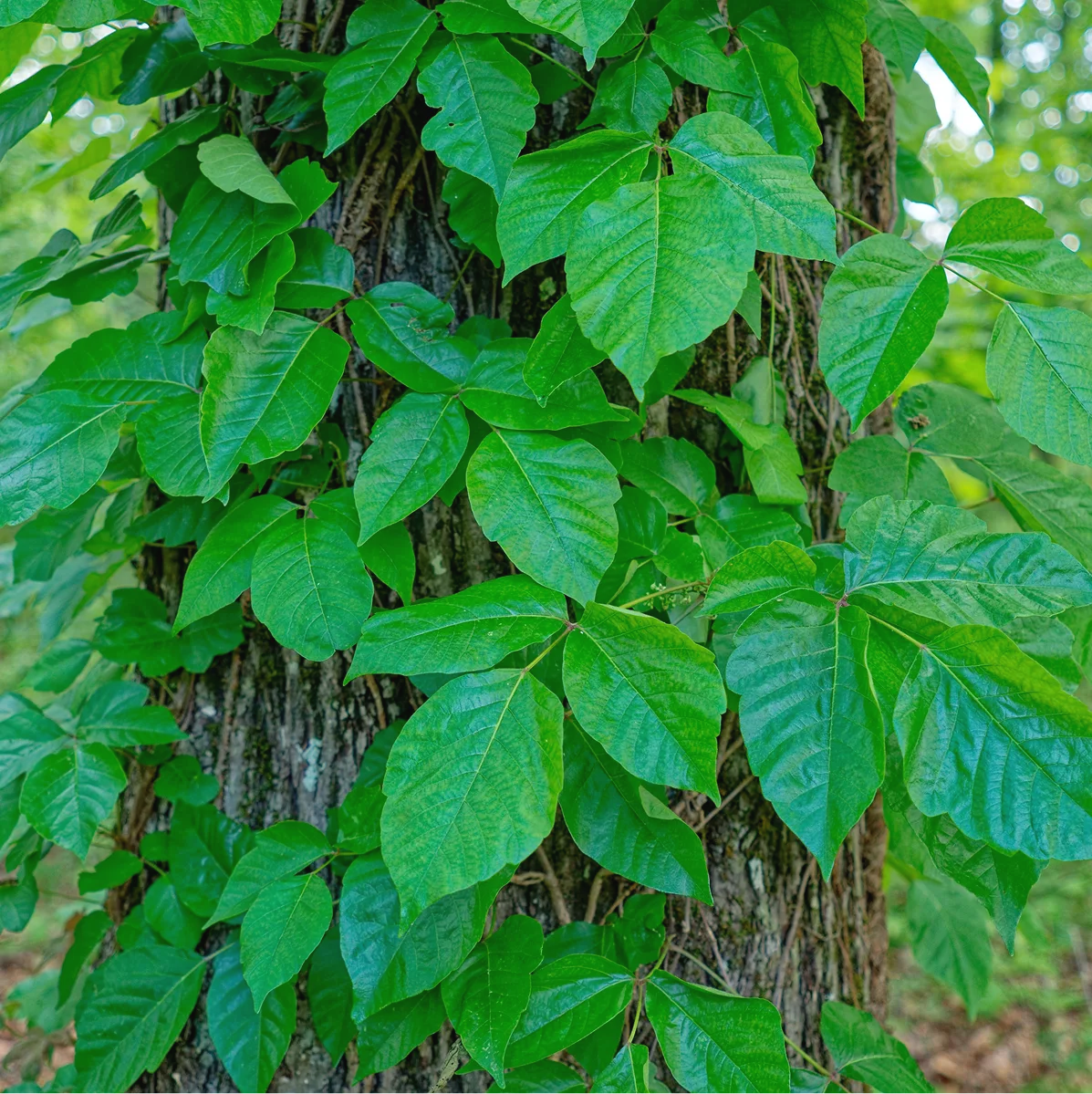
Poison ivy is a common plant that can cause a painful skin reaction when touched. These plants grow across many areas, including yards, parks, and trails, often blending in with other greenery, making them easy to accidentally brush against. The irritation comes from an oil called urushiol, which is found on all parts of the plant – leaves, stems, and roots.

Treatment Options

For mild cases of poison ivy, at-home care can be highly effective in relieving itching and reducing swelling. Patients are encouraged to gently wash affected areas with plain soap and lukewarm water to remove traces of urushiol, the irritating oil. Using calamine lotion, barrier creams, or baking soda pastes can soothe irritated skin, while alcohol-based wipes may help clean any remaining oil. Wearing long pants and protective clothing can prevent further contact with the plant and protect healing skin. When combined, these simple steps can significantly improve comfort and speed up recovery.
Over-the-counter antihistamines are a convenient option for managing the allergic reaction caused by poison ivy. These medications work by calming the body’s immune response, helping to relieve itching and reduce the overall discomfort of rashes. They can be especially useful for nighttime relief, allowing patients to rest without constant irritation.
For more severe or persistent reactions, prescription treatments can provide stronger relief. Oral steroids help reduce inflammation throughout the body, while steroid creams target localized areas of swelling and irritation. In cases where scratching or infection occurs, antibiotic medicine may be prescribed to prevent or treat secondary infections, ensuring the skin heals safely and effectively.
Schedule a Consultation

Your Appointment: What to Expect?

Your appointment begins with a consultation, where our team will discuss your symptoms and review your medical history. This helps identify the severity of your reaction and any underlying conditions that may affect treatment. During this step, we also address patient concerns and answer questions about care options.
Next, we carefully review any relevant medical records to ensure a complete understanding of your past treatments and allergies. This step allows our providers to tailor a safe and effective plan, and if needed, they may prescribe antihistamine medicine to help manage itching and discomfort.
In some cases, patch testing may be recommended to determine the specific triggers causing your reaction. This involves applying small amounts of potential irritants to the skin and monitoring your response over a few weeks. The results help guide targeted treatment and prevent future flare-ups.
After evaluating your condition, a personalized treatment plan will be discussed. Depending on severity, this may include at-home care, prescription creams, oral steroids, or urgent treatment for severe flare-ups. The plan will also focus on soothing affected areas and reducing long-term irritation.

Who Is at Risk of
Poison Ivy Rashes?

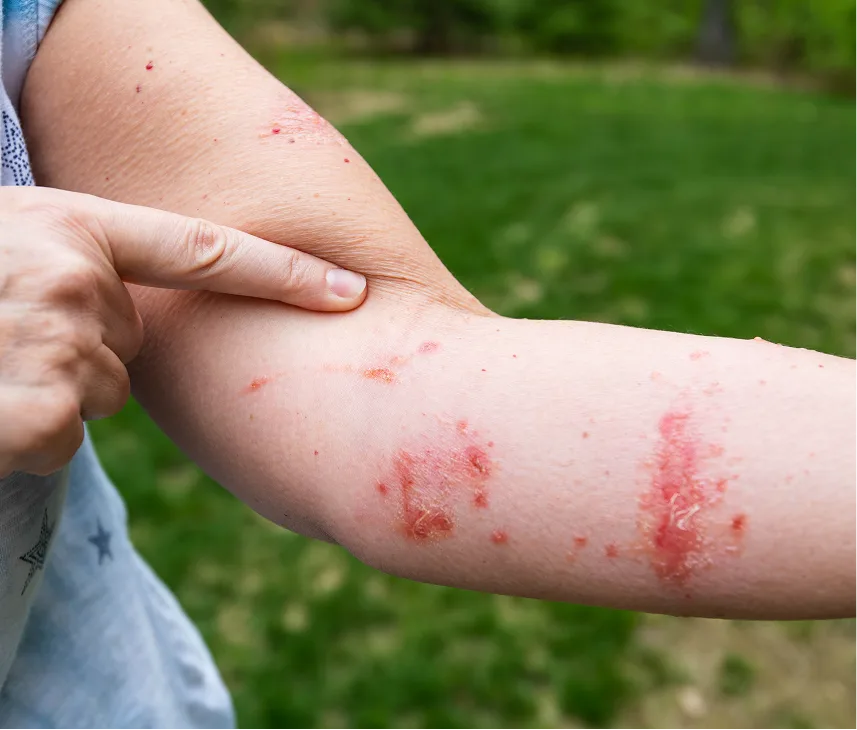
Anyone can come into contact with poison ivy, but certain factors increase the likelihood of developing an allergic rash. People with preexisting skin conditions or scaly skin may be more sensitive to the plant’s sap oil, which triggers irritation upon contact. Pet fur can also carry the oil, spreading it to humans even without direct exposure to the plant. In some cases, inhaled smoke from burning poison ivy can cause serious respiratory irritation and a severe reaction, which may require immediate care. If symptoms become intense or widespread, it could be considered a medical emergency, highlighting the importance of prompt attention for high-risk individuals.

Benefits of Poison Ivy Treatment

Cost of Poison Ivy
Treatment in
Phoenix, AZ

The cost of poison ivy treatment in Phoenix typically ranges from $100 to $500, depending on the severity of the reaction and the type of care required. Mild cases managed with home skin care and over-the-counter medications may be on the lower end, while prescription treatments or urgent visits for severe reactions can increase costs. Insurance coverage and the need for follow-up appointments may also affect the total expense, but early treatment often helps reduce both discomfort and overall costs.

Our Clinic Offers Effective Treatments for Poison Ivy Rashes

When considering poison ivy treatment, Phoenix residents can find relief from a range of symptoms, including an itchy rash and fluid-filled blisters. Our clinic provides professional care to soothe irritation, reduce inflammation, and prevent infection. We also educate patients on how to protect themselves in the future, such as wearing gloves when handling plants and being cautious around other plants that may cause similar reactions. By combining professional treatment with practical prevention tips, we help patients recover comfortably and avoid repeat exposure.

Frequently Asked Questions (FAQs)

Allergic contact dermatitis is a skin reaction that occurs when the body comes into contact with an irritant, such as poison ivy. The itchy rash and inflammation are caused by an allergic reaction, which is essentially the body’s allergic response to the plant’s oils. In rare cases, exposure can trigger more serious symptoms, including difficulty breathing, requiring urgent medical attention.
To prevent a skin rash from poison ivy, it’s important to take precautions when spending time outdoors. You can wear protective clothing, such as long sleeves and heavy-duty vinyl gloves, to minimize direct contact with plant oils. Products like Ivy Block can also create a barrier on the skin. Washing exposed areas promptly and using remedies that reduce itching can further help prevent irritation.
While both poison ivy and sumac can cause a similar rash, there are a few key differences. Poison sumac grows in wet, wooded areas, mostly in the southeastern United States, whereas poison ivy is more common in urban and suburban areas. The rash covers the skin in lines or patches and may develop large blisters, whereas sumac can sometimes cause more widespread redness. Both reactions are the result of the body’s reaction to plant oils, but sumac exposure can be particularly intense, leading to pronounced itching and blisters that ooze fluid.
Sumac rash is usually diagnosed through a combination of a visual exam and a review of your health history. Providing details about recent outdoor activities and exposure to plants helps healthcare providers confirm the diagnosis and rule out other skin conditions.
Treatment for sumac rash focuses on soothing the skin, reducing inflammation, and preventing infection. Depending on severity, care may include home remedies, over-the-counter antihistamines, topical steroid creams, or prescription medications. Keeping the skin clean and avoiding scratching is key to promoting faster healing.
Complications can occur if blisters break open or if the skin is scratched excessively. Secondary infections may develop, making treatment more complicated. Urushiol, found in poison oak, poison ivy, and sumac, is the irritant responsible for these rashes, so avoiding contact is important. In severe cases, infections or widespread reactions may require medical intervention.