
PRP Injections
in Phoenix, AZ

In recent years, platelet-rich plasma (PRP) injections have gained prominence in the world of regenerative medicine as a natural and effective method for treating various medical and aesthetic concerns. By harnessing the body’s natural healing abilities, PRP offers innovative treatments that address hair loss, under-eye concerns, and other issues.

At Regency Specialties in Phoenix, we pride ourselves on providing our patients with the best treatments available, ensuring that they look and feel their best.

What Is Platelet-Rich
Plasma (PRP)?

PRP is a concentrated serum rich in growth factors and healing properties that is derived from the patient’s own blood. This serum is created through a simple and minimally invasive process, where a small amount of blood is drawn and then processed to isolate the platelets, which are subsequently used for therapeutic injections. While these treatments are famous for their medical applications, they can also address various cosmetic issues.

Areas Treated

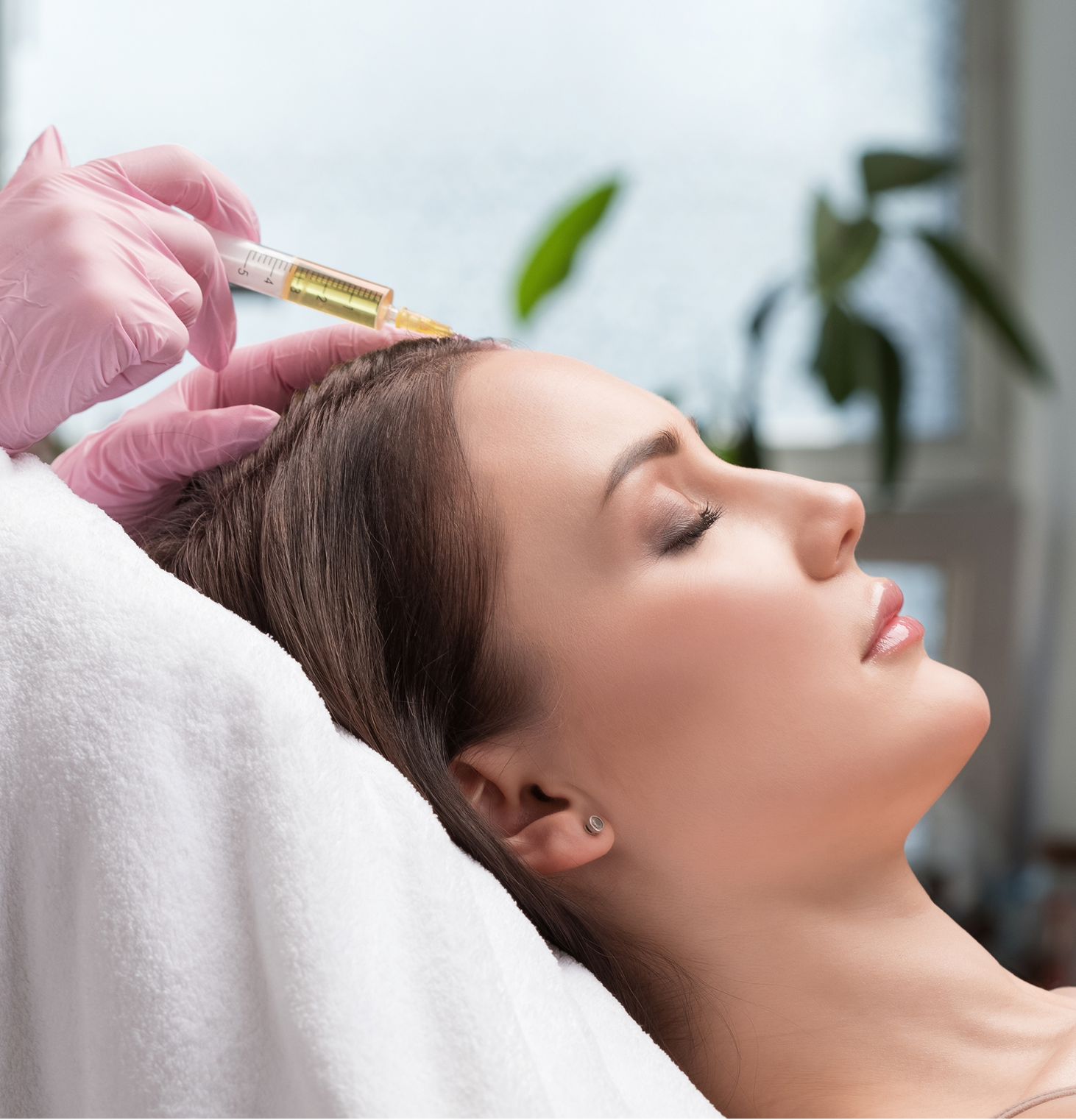
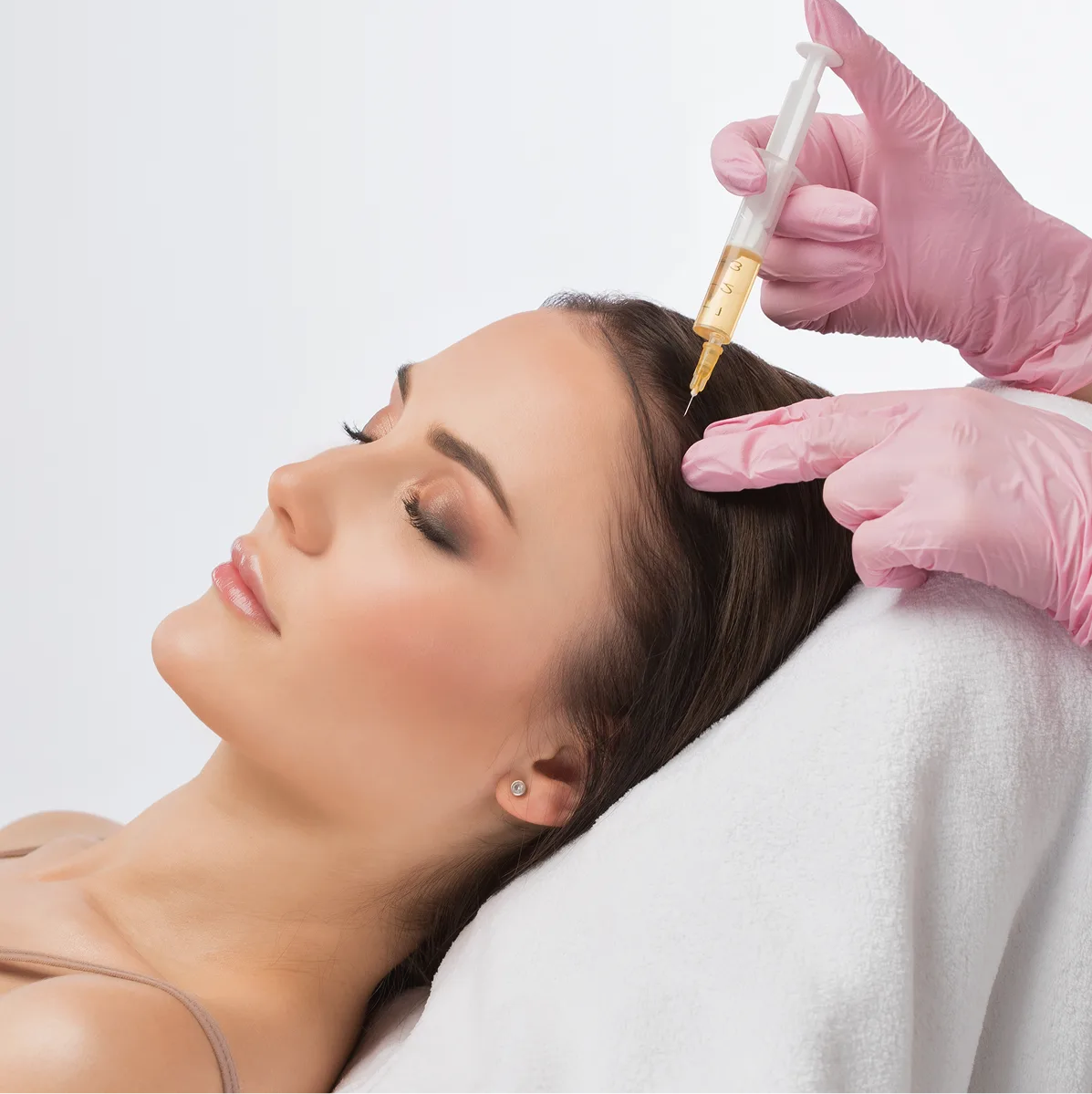
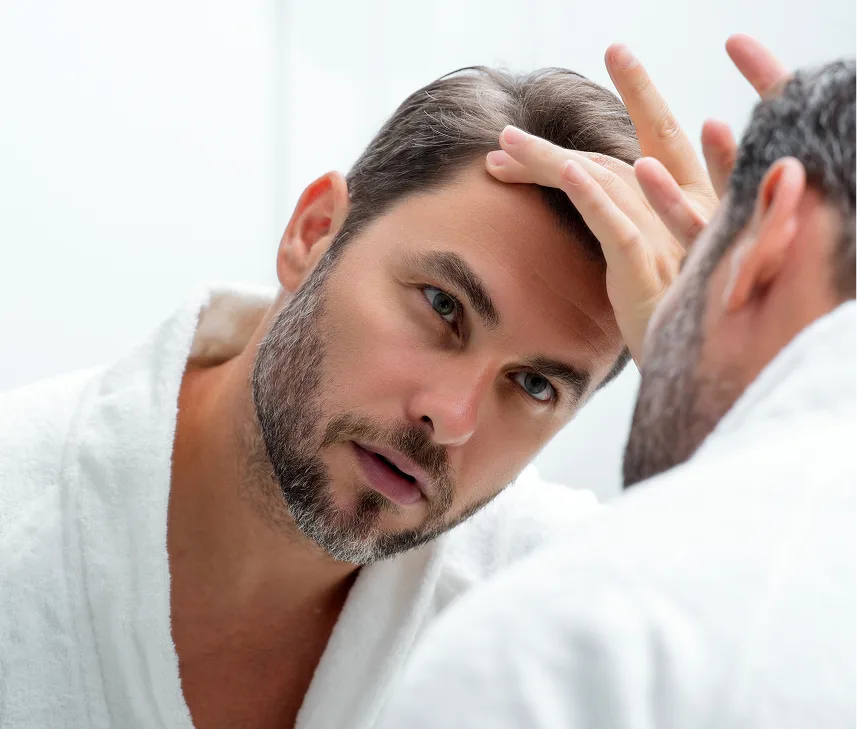
One of the remarkable applications of PRP is in the field of hair restoration. Scalp PRP injections are a non-surgical and natural approach to combating hair loss. By injecting PRP into the scalp, the growth factors within the platelets stimulate hair follicles, promoting hair regrowth, improving hair thickness, and enhancing overall hair quality.

Under-eye concerns, such as dark circles and puffiness, can be effectively addressed with PRP injections. This treatment rejuvenates the under-eye area by stimulating collagen production, reducing dark circles, and enhancing skin texture. Under-eye PRP injections can restore a more youthful and refreshed look to your eyes.

Scalp PRP Injections
 

One of the remarkable applications of PRP is in the field of hair restoration. Scalp PRP injections are a non-surgical and natural approach to combating hair loss. By injecting PRP into the scalp, the growth factors within the platelets stimulate hair follicles, promoting hair regrowth, improving hair thickness, and enhancing overall
hair quality.

Under-eye concerns, such as dark circles and puffiness, can be effectively addressed with PRP injections. This treatment rejuvenates the under-eye area by stimulating collagen production, reducing dark circles, and enhancing skin texture. Under-eye PRP injections can restore a more youthful and refreshed look to your eyes.

Schedule a Consultation

Your Private Consultation

At Regency Specialties, every PRP treatment begins with a private, one-on-one consultation with our experienced medical team. During this appointment, we take the time to understand your unique goals, assess your medical history, and determine the most effective treatment plan tailored specifically to you. This personalized approach ensures that you feel comfortable, informed, and confident every step of the way, so you can achieve natural, lasting results in a safe and supportive environment.

Experience Our Facial Plastic Surgery Banner

What Does the Procedure Entail?

The PRP procedure typically involves a few key steps:
 

The first step in the PRP procedure is blood collection. A small sample of your blood is drawn, just like a routine blood test. This blood contains all the normal blood components, which will later be separated to create the PRP serum. Using your own blood ensures the treatment is natural and highly compatible with your body.


Once your blood is collected, it undergoes centrifugation, a process that spins the blood at high speeds to separate its components. This isolates the platelets and other healing factors from the rest of the blood. The result is concentrated forms of growth factors and proteins that are essential for stimulating tissue repair
and regeneration.


The final step is the injection, where the PRP serum is carefully administered to the targeted area. These concentrated forms of platelets and growth factors activate your body’s natural healing process, promoting tissue rejuvenation, hair regrowth, or improved skin quality, depending on the treatment area. The procedure is minimally invasive and tailored to provide the best possible results.

Blood Collection

The first step in the PRP procedure is blood collection. A small sample of your blood is drawn, just like a routine blood test. This blood contains all the normal blood components, which will later be separated to create the PRP serum. Using your own blood ensures the treatment is natural and highly compatible with your body.


Once your blood is collected, it undergoes centrifugation, a process that spins the blood at high speeds to separate its components. This isolates the platelets and other healing factors from the rest of the blood. The result is concentrated forms of growth factors and proteins that are essential for stimulating tissue repair and regeneration.

The final step is the injection, where the PRP serum is carefully administered to the targeted area. These concentrated forms of platelets and growth factors activate your body’s natural healing process, promoting tissue rejuvenation, hair regrowth, or improved skin quality, depending on the treatment area. The procedure is minimally invasive and tailored to provide the best possible results.

What Is the Recovery Process Like?

Recovery after PRP injections is generally quick and simple. Some patients notice mild redness, swelling, or tenderness around the injection sites, but these effects usually resolve after a few days. Most individuals can resume their normal activities shortly after the procedure.
Are There Any Side Effects?

 PRP injections are considered safe primarily because they utilize your body’s own components. Side effects are typically minimal and short-lived, including mild swelling or bruising at the injection site. That said, it is important that patients choose an experienced, board-certified practitioner to carry out their PRP treatments to ensure a positive outcome.

Eligible Candidates for Platelet-Rich
Plasma Therapy

PRP treatments are well-suited for individuals seeking natural solutions for various concerns, such as hair loss, skin rejuvenation, and under-eye issues. Ideal candidates are those seeking to avoid surgical interventions or synthetic treatments and prefer to harness the regenerative power of PRP.

What Are the Benefits of PRP?

PRP injections offer a multitude of benefits, such as:

Cost of
PRP Injections

Pricing for cosmetic treatments varies by target area.

  • For scalp PRP, a single session costs $750, and a package of three sessions is available at a discounted rate of $2,100.

  • As for under-eye PRP injections, the cost of a single session is $600, and a package of three sessions is $1,500.

Brow Lift Cost in Phoenix, AZ Banner

Why Choose Regency Specialties?

At Regency Specialties, we are dedicated to providing exceptional and personalized medical care to patients in the Phoenix Metropolitan Area and beyond. Our experienced team of specialists works tirelessly to ensure that our patients receive the most effective and cutting-edge care available, from the consultation process to the treatment and beyond.

We always put your well-being and satisfaction first, making Regency Specialties your trusted partner in harnessing the benefits of PRP injections. If you’re considering PRP treatments, reach out to our office today to set up a private consultation and learn more.

Frequently Asked Questions (FAQs)

Yes, PRP injections are considered safe for most patients. Since the treatment uses your own blood, the risk of allergic reactions is extremely low. A local anesthetic is often applied to manage pain during the procedure, ensuring a comfortable experience. Overall, PRP injections carry minimal risks when performed by trained medical professionals, making it a reliable option for both aesthetic and medical applications.
PRP therapy works by delivering concentrated growth factors directly to the hair follicles. During the process, red blood cells and white blood cells are separated from the platelets, allowing the healing factors in the PRP to stimulate the scalp. These factors nourish the follicles, promote circulation, and trigger the development of new hair growth, resulting in thicker, healthier hair
over time.
After a PRP injection, proper post-procedure care is important to promote healing and ensure optimal results. Patients are generally advised to avoid strenuous activity for a short period and may use cold compresses as needed. Anti-inflammatory medications should be avoided unless specifically recommended, as they can interfere with the healing process that the PRP is designed
to stimulate.
Absolutely. To achieve stunning results with PRP injections, Phoenix residents often combine this therapy with other treatments for enhanced outcomes. PRP works with the body’s natural healing process, and when paired with collagen induction therapy or hyaluronic acid dermal fillers, it can stimulate new collagen growth, improve skin tone, and provide a more youthful appearance. Many other treatment options can be safely integrated, creating a comprehensive approach to rejuvenation.
PRP is widely used in physical therapy and sports medicine for treating conditions related to soft tissue and musculoskeletal injuries. Concentrated platelets are injected into the affected area, often under ultrasound guidance, to promote tissue repair and accelerate recovery. It is effective for tendon injuries, muscle injuries, tennis elbow, patellar tendonitis, and various orthopedic conditions. By delivering natural healing factors, PRP helps restore function, reduce pain, and improve overall recovery while carrying minimal potential risks.
Is breast reduction performed under local or general anesthesia?
Breast reduction, like other breast surgery procedures, is typically performed under general anesthesia to ensure comfort and safety. In some cases, a less extensive reduction may be done using local anesthesia combined with sedation. After the procedure, pain medication is provided to minimize discomfort and support a smooth recovery.
While breast reduction is generally safe, it is still a surgical procedure that may involve some unwanted side effects, even when performed in a controlled environment, such as an ambulatory surgery center. Risks are relatively low, even for patients with heavy breasts, but discussing your medical history and potential complications with your surgeon is essential for safety.
A breast reduction removes excess breast tissue and fat to decrease breast size, while a breast lift is primarily a cosmetic procedure designed to raise and reshape the breasts after weight loss or pregnancy. Women with large breasts who are experiencing physical discomfort often choose breast reduction. Both are surgical procedures, but the goals differ—breast reduction focuses on relief from physical burdens, whereas a lift emphasizes aesthetic enhancement.
Scars from breast reduction surgery tend to fade over time. Most patients notice that scars are well-hidden along the breast crease and around the areola, making them less visible in everyday clothing. Proper postoperative care can further help reduce the appearance of scars.
To support your initial recovery and minimize swelling, it’s essential to follow your surgeon’s instructions closely. Wearing a supportive sports bra, avoiding physically demanding jobs, and gradually resuming physical activities over a few weeks can help your body heal more efficiently. Managing weight fluctuations and limiting physical burdens during the healing process also contributes to faster recovery.
Many women who have had cosmetic surgery to enhance their breast appearance may later choose a reduction to achieve better comfort, proportion, or shape. After undergoing auto-augmentation or fat grafting, patients may opt for reduction to refine the breast contour and improve overall aesthetics, particularly in individuals with excess tissue.
Choosing a surgeon certified by the American Board of Plastic Surgery ensures that you are in the care of a highly trained professional. Our breast surgeons adhere to rigorous standards, which are essential for ensuring safety and optimal outcomes. Many patients, including breast reconstruction patients after breast cancer, benefit from the expertise and experience of our board-certified surgeons.
Insurance may cover reduction mammoplasty (breast reduction) when it is deemed medically necessary to relieve pain or physical discomfort. Coverage often depends on your provider and documentation of symptoms, such as back or neck pain caused by large breasts, so it’s essential to verify benefits before scheduling surgery.