

Melasma Treatment in Phoenix, AZ Banner

Melasma Treatment
in Phoenix, AZ

Regency Specialties offers expert melasma treatment in Phoenix, AZ, helping patients reclaim a radiant complexion. Our board-certified dermatologists combine evidence-based therapies with personalized care to target stubborn pigmentation and restore your confidence. With customized treatment plans tailored to your unique skin needs, we help you achieve clearer, healthier-looking skin and long-lasting results.

What Is Melasma?

Melasma is a chronic hyperpigmentation disorder caused by overactive melanocytes – the cells responsible for producing skin pigment. Unlike a simple sunspot or age spot, melasma tends to develop in larger, more diffuse patches with irregular borders and is closely linked to hormonal fluctuations.

Often referred to as the “mask of pregnancy,” it affects an estimated five million Americans, with women accounting for roughly 90% of cases. The condition is particularly common among individuals with medium to darker skin tones, though it can affect anyone. Patches can also appear on the neck and forearms.
Melasma Treatment Phoenix, AZ Banner
Causes of Melasma

Hormonal Triggers

Estrogen and progesterone play a significant role. Pregnancy, oral contraceptives, and hormone replacement therapy are among the most common triggers.
Ultraviolet light is the single most potent aggravator. Even brief, unprotected sun exposure in the Arizona desert can stimulate melanocytes and darken existing patches. Visible light and heat from screens and infrared sources can also contribute. Certain medications and even some cosmetic products may further exacerbate the condition.
A family history of melasma significantly increases your likelihood of developing the condition, suggesting a strong genetic component in melanocyte sensitivity.
Melasma Treatment in Phoenix, Arizona Banner

Types of Melasma

  • Epidermal Melasma

Pigment sits in the upper layer of skin (epidermis), presenting as well-defined, dark brown patches. This type typically responds best to topical treatments.

  • Dermal Melasma

Pigment is deposited deeper in the dermis, appearing as bluish-gray or lighter brown patches with less distinct borders. Deeper pigment is more challenging to treat and may require combination therapies.

  • Mixed Melasma

The most common presentation, involving pigment in both the epidermis and dermis. Treatment plans for mixed melasma often combine multiple modalities for optimal results.
The severity of melasma can vary significantly among individuals, influencing the recommended treatment plan and expected outcomes. During your consultation, our dermatology team uses specialized examination techniques to determine your melasma type and severity, guiding a targeted approach to care.

Melasma Diagnosis and Assessment

An accurate diagnosis is critical because melasma can resemble other pigmentation disorders such as post-inflammatory hyperpigmentation, solar lentigines, or even certain types of skin cancer. Our board-certified dermatologists perform a thorough clinical evaluation to ensure the correct condition is identified before beginning any treatment.
Visual and Wood's Lamp Examination

A Wood’s lamp emits ultraviolet light that reveals the depth of pigmentation, helping distinguish epidermal from dermal involvement. This quick, painless assessment is performed in-office during your first visit.
Your dermatologist will also review your medical history, medications, hormonal changes, sun exposure habits, and family background to identify contributing factors and build a comprehensive treatment strategy. In rare cases, a skin biopsy may be performed to rule out other conditions.
Melasma Treatment Phoenix, Arizona Banner

Melasma Treatment Options

Effective melasma management almost always involves a combination approach. Our dermatology team tailors your plan based on pigment depth, skin type, and how your skin has responded to any prior treatments.
Hydroquinone remains the gold-standard topical for melasma, working to decrease melanin production. It is often prescribed in combination with tretinoin and a mild corticosteroid (triple combination therapy). Azelaic acid, kojic acid, tranexamic acid, and vitamin C serums may also be incorporated to enhance results while supporting skin health.
Once improvement is achieved, your dermatologist may transition you to non-hydroquinone agents for long-term maintenance, keeping pigmentation under control without the potential side effects of prolonged hydroquinone use.
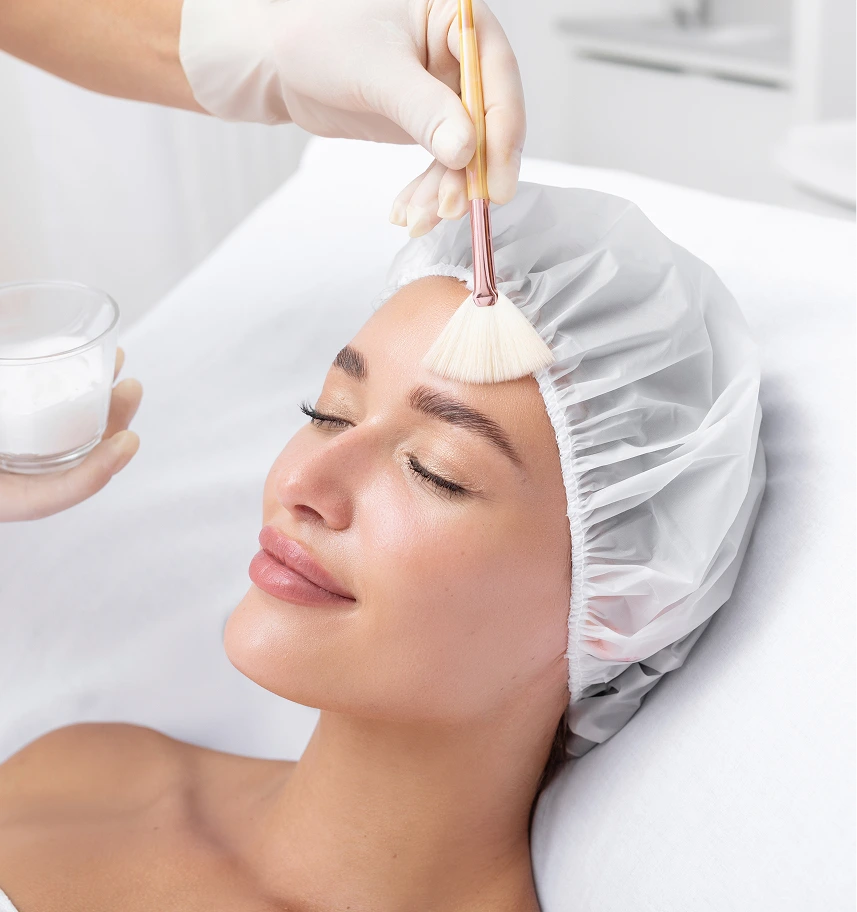
Superficial and medium-depth chemical peels, including glycolic acid, salicylic acid, lactic acid, trichloroacetic acid (TCA), and modified Jessner’s peels, accelerate cell turnover, helping shed pigmented surface cells. Peels are performed in-office in a series of sessions and are particularly effective for epidermal melasma.
Our team carefully selects peel strength and formulation based on your skin tone to minimize the risk of post-inflammatory hyperpigmentation while improving overall skin texture and tone.

Select laser and light devices can target deeper pigment that topical treatments alone may not reach. Low-fluence Q-switched lasers and fractional non-ablative lasers may be recommended for resistant or recurrent cases. These non-invasive treatments deliver targeted energy to break down melanin deposits without damaging surrounding tissue.

Preventing Melasma Recurrence

Melasma is a chronic condition, and even after successful treatment, pigment can return without proper preventive measures. A proactive maintenance plan is just as important as the initial treatment itself.

Sun Protection Strategies

Broad-spectrum sunscreen with SPF 30 or higher – applied every morning and reapplied every two hours during sun exposure – is the single most important step you can take, even on cloudy days or indoors near windows. In Phoenix’s intense desert sun, mineral sunscreens containing zinc oxide or titanium dioxide offer reliable protection against both UV and visible light.
  • Wide-brimmed hats and UV-protective clothing
  • Sunglasses for additional facial coverage
  • Seeking shade during peak hours (10 a.m. to 4 p.m.)

Your dermatologist may recommend a maintenance regimen of topical lightening agents, antioxidant serums, and periodic in-office treatments, such as chemical peels or laser therapy. Regular follow-up visits allow us to monitor progress, adjust your plan, and intervene early if pigmentation begins to return. We will work with you to develop a sustainable plan that integrates seamlessly into your lifestyle, helping you manage potential triggers and sustain your results.

Treatment Results

Most patients notice visible lightening within 4-8 weeks of starting treatment, with continued improvement over 3-6 months. Results depend on melasma type, depth of pigment, and adherence to your personalized regimen. Epidermal melasma generally responds fastest, while mixed and dermal types may require multi-modal treatment plans. Complete elimination of melasma is not always possible, and diligent maintenance is required to prevent recurrence.

Best Melasma Treatment in Phoenix, AZ Banner

Who Is a Candidate for Melasma Treatment?

Melasma treatment at Regency Specialties is appropriate for adults who:

  • Have symmetrical brown or gray-brown patches on the face or other sun-exposed areas
  • Experience pigmentation worsened by sun exposure, pregnancy, or hormonal changes
  • Desire a clearer, more even skin tone
  • Have realistic expectations, understanding that melasma is often a chronic condition that can be managed but not always permanently cured
During your consultation, we evaluate your skin type, melasma severity, lifestyle, and goals to determine which combination of treatments will deliver the most meaningful improvement for you.
Top Melasma Treatment Phoenix, AZ Banner

Benefits of Melasma Treatment

Choosing to treat your melasma offers more than just cosmetic improvement; it’s an investment in your skin health and overall well-being. Patients at Regency Specialties often experience a wide range of positive outcomes:
  • More Even Skin Tone: Significantly reduces the contrast between pigmented patches and your natural skin color for a clearer complexion.
  • Boosted Confidence: Fading visible facial pigmentation can dramatically improve self-esteem and reduce the need for heavy makeup.
  • Professional Guidance: Gain a deep understanding of your specific triggers and a long-term strategy to manage this chronic condition effectively.
  • Improved Skin Health: Many melasma treatments, like chemical peels and antioxidant serums, also enhance skin texture, reduce fine lines, and promote a radiant glow.
Cost of Melasma Treatment
in Phoenix, AZ

Melasma treatment in Phoenix, AZ, typically ranges from $150 to $1,500, depending on the combination of therapies recommended – topical prescriptions on the lower end, with chemical peel series and laser treatments toward the higher end. Pricing varies based on the severity of your melasma, the number of sessions needed, and your individualized treatment plan.

Advanced Dermatology Care in Phoenix

Regency Specialties is led by Dr. Betty Hinderks Davis, a nationally recognized, double board-certified dermatologist and fellowship-trained Mohs surgeon with deep expertise in complex skin conditions. Dr. Davis brings a research-driven approach to every treatment plan, with over 150 peer-reviewed publications authored by our team.

Our Phoenix office offers the full spectrum of melasma therapies – from prescription topicals to chemical peels and advanced laser technology – under one roof, so your care is seamless and coordinated.

Every patient at Regency Specialties becomes part of the Regency family, and we are committed to delivering evidence-based treatments, compassionate guidance, and outcomes that help you feel confident in your own skin.

Frequently Asked Questions

What causes melasma to worsen?

Melasma can worsen due to unprotected sun exposure, hormonal fluctuations (from pregnancy, birth control, or hormone therapy), certain medications, heat, inflammation, and irritating skincare products.
Melasma is considered a chronic condition. While treatments can significantly lighten or clear pigmentation, ongoing maintenance and sun protection are essential to prevent recurrence.
Most patients begin to see improvement within 4-8 weeks, though optimal results often develop over 3-6 months of consistent treatment. Topical treatments may show gradual change, while chemical peels and laser therapies can produce noticeable improvement after a few sessions.
Yes. Sun exposure and hormonal changes can trigger recurrence. A disciplined sun-protection routine and maintenance skincare regimen greatly reduce this risk.
Yes. While more common in women, approximately 10% of melasma cases occur in men, often linked to sun exposure, certain medications, or hormonal factors.

Topical treatments are applied at home with no discomfort. Chemical peels may cause a mild tingling sensation, and laser treatments involve brief warmth. Most patients tolerate all modalities comfortably.

In most cases, yes. Your dermatologist will advise you on which products are safe to use, particularly during the healing phase after peels or laser sessions.
Strictly avoid unprotected sun exposure, minimize heat exposure to your face, and discuss any hormone-altering medications with your doctor. Be cautious with harsh skincare products that could cause irritation and inflammation, potentially worsening pigmentation.

Advanced solution in dermatology, plastic surgery & aesthetics

Experience the Regency Difference