

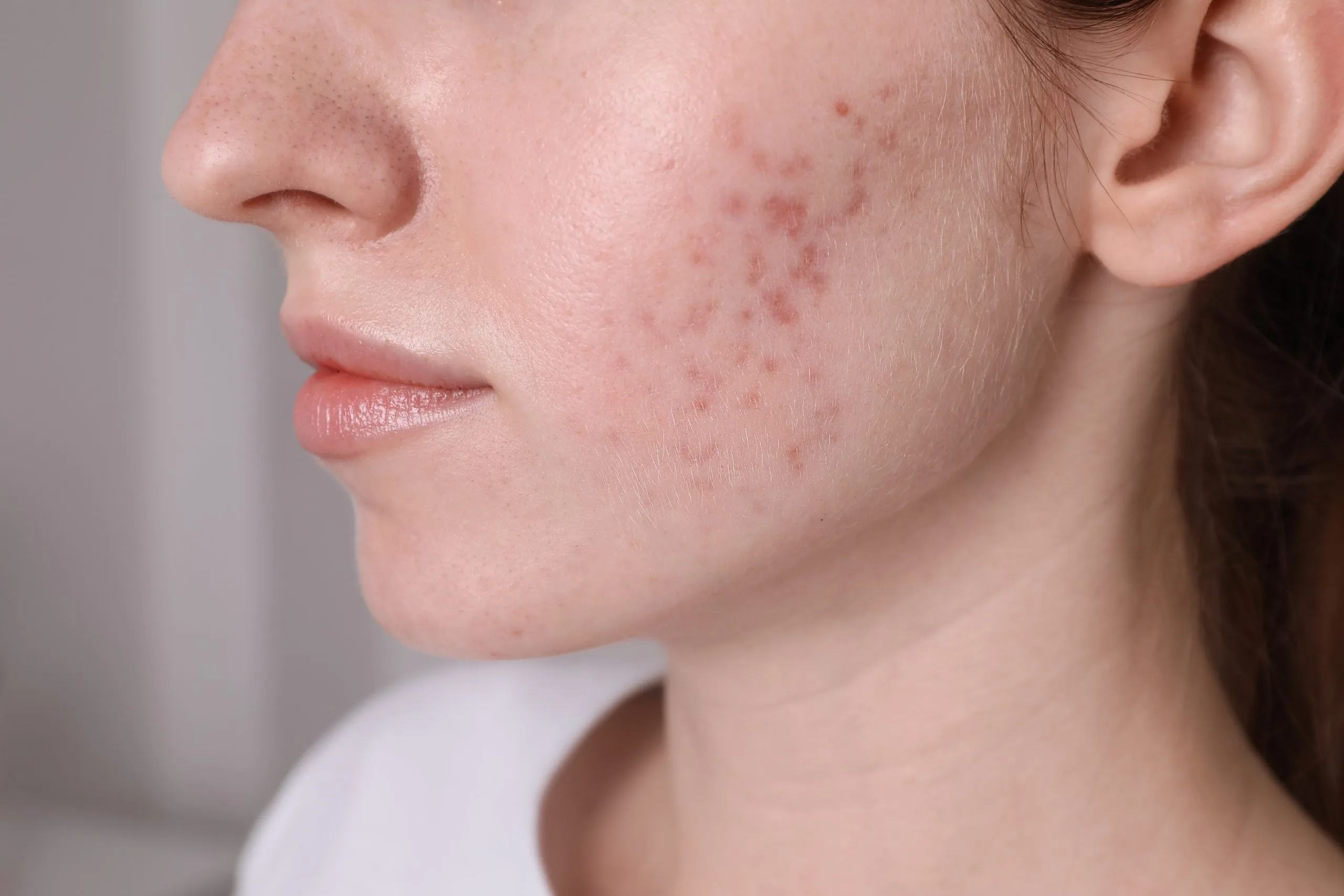
Adult acne is primarily caused by hormonal fluctuations, genetic predisposition, stress, and certain lifestyle habits, and the most effective way to manage it is through a professional diagnosis and a personalized treatment plan from a dermatology provider. Many adults experience breakouts well into their 30s, 40s, and beyond, and understanding the unique factors behind adult acne is the first step toward achieving clearer skin.
Adult-onset acne is generally defined as acne that develops after the age of 25. It can be categorized into two main types:
Persistent Acne: This is a continuation of acne that began in adolescence and has simply never gone away. It may fluctuate in severity over the years but remains a consistent issue.
Late-Onset Acne: This type of acne appears for the first time in adulthood, often surprising individuals who may have had clear skin throughout their youth.
Adult acne typically presents differently than teenage acne. While teenagers often experience breakouts across their entire face, particularly in the T-zone (forehead, nose, and chin), adults tend to see acne concentrated on the lower third of the face. This includes the chin, jawline, and neck area. Adult acne is also more likely to be inflammatory, characterized by tender, deep-seated nodules and cysts rather than a high number of blackheads and whiteheads.
Identifying the root cause of your breakouts is crucial for effective treatment. At Regency Specialties, our providers conduct a thorough evaluation to pinpoint these triggers.
For many adults, especially women, hormones are the primary culprit behind persistent or late-onset acne. Androgens, which are male hormones like testosterone present in both men and women, stimulate the sebaceous glands to produce more oil. When androgen levels are elevated or when the sebaceous glands become overly sensitive to normal levels of androgens, oil production kicks into high gear, leading to clogged pores.
Several life stages and conditions can cause these hormonal fluctuations:
Menstrual Cycle: Many women experience a flare-up of acne in the week or so leading up to their period. This is due to the drop in estrogen and progesterone levels, which allows androgens to have a more pronounced effect on the oil glands.
Pregnancy and Perimenopause: The significant hormonal shifts that occur during pregnancy and the transition to menopause can trigger acne, even in women who have not had breakouts in years.
Polycystic Ovary Syndrome (PCOS): This endocrine disorder is characterized by elevated androgen levels, which often manifests as persistent, deep, and painful cystic acne along the jawline, chin, and upper neck.
Stopping or Starting Birth Control Pills: Hormonal contraceptives can regulate acne by stabilizing hormone levels. Consequently, starting, stopping, or changing your birth control pill can disrupt this balance and lead to breakouts as your body adjusts.
If your parents or siblings struggled with adult acne, there’s a higher likelihood that you will too. Research has shown a strong genetic link to acne, influencing everything from the size and activity of your sebaceous glands to the intensity of your body’s inflammatory response. While you can’t change your genes, knowing you have a predisposition empowers you to be more proactive with your skincare and seek professional help sooner rather than later. A dermatologist can help you create a long-term management plan that counteracts your genetic tendencies.
The connection between stress and skin health is not a myth. When you are under chronic physical or emotional stress, your body releases cortisol and other stress-related hormones. These hormones can bind to receptors on your sebaceous glands, signaling them to produce more oil. This is why you might notice a sudden breakout before a major work presentation, during final exams, or while navigating a difficult personal situation. Stress also triggers an inflammatory response throughout the body, which can worsen existing acne and make lesions redder and more swollen. While eliminating stress entirely is impossible, incorporating stress-management techniques can have a positive impact on your skin.
What you eat and the products you use can play a significant role in the health of your skin. While diet’s role in acne has been debated for decades, recent studies suggest a link between certain foods and acne flare-ups in some individuals.
High-Glycemic Foods: Foods that cause a rapid spike in blood sugar, such as white bread, sugary snacks, and processed carbohydrates, can trigger a hormonal cascade that increases inflammation and oil production.
Dairy: Some research indicates that cow’s milk, particularly skim milk, may be associated with acne. The exact mechanism is still being studied but may be related to the hormones present in milk or its effect on insulin levels.
Beyond diet, other lifestyle factors can contribute to breakouts:
Comedogenic Products: Many hair and skincare products contain ingredients that can clog pores. It’s essential to look for products labeled “non-comedogenic,” “non-acnegenic,” or “oil-free.” This applies to everything you put on your face, neck, and even your hair, as products can transfer to your skin.
Friction and Pressure: Anything that traps heat and sweat against your skin or causes friction can lead to a type of acne known as acne mechanica. This includes headbands, hats, chin straps on helmets, and even frequently holding a cell phone against your cheek.
Because the causes of adult acne are so varied, a one-size-fits-all approach is rarely effective. The most successful strategies are personalized and often multi-faceted, combining medical-grade treatments with professional procedures.
Topical treatments are applied directly to the skin and are often the first line of defense against mild to moderate acne. These can be over-the-counter or prescription-strength.
Retinoids: Derived from Vitamin A, retinoids (like tretinoin, adapalene, and tazarotene) are the cornerstone of acne treatment. They work by increasing skin cell turnover, which helps to unclog pores and prevent new blockages from forming. They also have anti-inflammatory properties and can help improve the appearance of post-acne marks and fine lines.
Benzoyl Peroxide: This agent is highly effective at killing the P. acnes bacteria. It is available in various strengths in cleansers, lotions, and gels.
Topical Antibiotics: Clindamycin and erythromycin are often prescribed to reduce bacteria and inflammation. To prevent antibiotic resistance, they are typically used in combination with another agent like benzoyl peroxide.
Salicylic Acid: This beta-hydroxy acid (BHA) is oil-soluble, allowing it to penetrate deep into pores to dissolve the mixture of dead skin cells and sebum. It is particularly effective for treating blackheads and whiteheads.
For more moderate to severe, cystic, or persistent acne that doesn’t respond to topical treatments, a dermatologist may recommend oral medications.
Antibiotics: Oral antibiotics like doxycycline and minocycline work systemically to reduce bacteria and fight inflammation from the inside out. They are typically prescribed for the shortest duration possible to clear a severe flare-up.
Hormonal Agents: For women whose acne is clearly linked to hormonal fluctuations, medications that regulate androgen activity can be extremely effective. Spironolactone is a common choice that blocks the effect of androgens on oil glands. Certain oral contraceptive pills are also FDA-approved for treating acne.
Isotretinoin: Formerly known by the brand name Accutane, isotretinoin is a powerful oral retinoid reserved for severe, nodulocystic acne that has not responded to other therapies. It is the only medication that addresses all four causes of acne: it dramatically reduces oil production, normalizes skin cell turnover, reduces bacteria, and has potent anti-inflammatory effects. Treatment requires close medical supervision due to potential side effects.
In addition to prescribed medications, our providers at Regency Specialties perform a variety of in-office procedures to accelerate clearing, reduce inflammation, and prevent scarring. These treatments can provide more immediate results and complement your at-home regimen.
Corticosteroid Injections: For a single, large, painful acne cyst, a dermatologist can inject a diluted corticosteroid directly into the lesion.
Acne Extractions: A trained provider can safely and hygienically extract blackheads and whiteheads (comedones). This should not be attempted at home, as improper squeezing can push bacteria deeper into the skin, worsen inflammation, and lead to scarring.
Chemical Peels: A chemical peel involves applying a solution to the skin that exfoliates the top layers, unclogs pores, reduces oil, and improves skin texture. Peels with salicylic acid are excellent for oily, acne-prone skin. For targeting the dark spots (post-inflammatory hyperpigmentation) that acne leaves behind, the VI Peel Precision Plus is a highly effective option that helps to lighten pigmentation and create a more even skin tone.
SkinPen Microneedling: For patients concerned with atrophic acne scars (the indented or “pitted” scars), SkinPen microneedling is a leading treatment. This procedure uses fine needles to create controlled micro-injuries in the skin, which stimulates the body’s natural wound-healing process and triggers the production of new collagen and elastin. Over a series of treatments, this helps to fill in and smooth out the texture of scars.
A consistent, gentle skincare routine is fundamental to managing adult acne. Harsh, aggressive products and scrubbing can irritate the skin, strip its natural moisture barrier, and ultimately make acne worse.
A simple but effective routine is your ally.
Cleanse Gently: Wash your face twice a day (morning and night) and after sweating heavily. Use a mild, non-abrasive, pH-balanced cleanser and your fingertips, not a washcloth or scrub brush.
Use Medicated Products as Directed: Apply any topical acne treatments prescribed by your dermatologist to clean, dry skin. A little goes a long way; using more than directed will not clear acne faster but will likely cause redness and irritation.
Moisturize: Acne-prone skin still needs hydration, especially when using drying acne treatments. Choose a lightweight, oil-free, non-comedogenic moisturizer to maintain your skin’s barrier function.
Protect with Sunscreen: Many acne treatments can make your skin more sensitive to the sun. Furthermore, sun exposure can darken post-acne marks, making them last longer. Apply a broad-spectrum sunscreen with an SPF of 30 or higher every single day. Look for formulas labeled non-comedogenic or designed for acne-prone skin.
Small adjustments to your daily habits can make a big difference.
Be Hands-Off: Avoid touching, picking, or squeezing your face. This transfers bacteria from your hands and can turn a minor pimple into a major cyst or a permanent scar.
Check Your Labels: Ensure all your skincare, makeup, and hair products are non-comedogenic.
Manage Stress: Find healthy ways to cope with stress, whether it’s through exercise, meditation, yoga, or spending time on hobbies you enjoy.
Consider Your Diet: While not a cure, paying attention to your diet can be helpful. If you suspect a certain food group is triggering your breakouts, try eliminating it for a few weeks to see if your skin improves. A balanced diet rich in fruits, vegetables, and whole grains supports overall skin health.
If over-the-counter products haven’t cleared your acne after several weeks, or if you are developing deep, painful cysts or noticing scars, it’s time to seek professional help. Adult acne is a medical condition, and a dermatology provider has the expertise and tools to treat it effectively.
Your first visit to Regency Specialties will be a comprehensive consultation. Your provider will:
Examine Your Skin: They will carefully assess the type and severity of your acne.
Take a Detailed History: Be prepared to discuss your personal and family medical history, when your acne started, what treatments you’ve tried in the past, and details about your lifestyle, diet, and stress levels. For women, a discussion of your menstrual cycle is also important.
Develop a Personalized Plan: Based on this thorough evaluation, your provider will explain your specific acne triggers and recommend a customized treatment plan. This may include prescription medications, a tailored skincare routine, and recommendations for in-office procedures.
This personalized approach is what makes professional care so valuable. We don’t just treat the pimples you have now; we create a long-term strategy to prevent future breakouts and manage your skin’s health.
Adult acne can be a persistent and emotionally taxing condition, but it is highly treatable. The path to clear skin begins with understanding its underlying causes and seeking expert guidance. By partnering with a dermatology provider at Regency Specialties, you can move beyond the frustrating cycle of trial-and-error with over-the-counter products. Through a personalized combination of medical-grade treatments, advanced in-office procedures, and strategic lifestyle advice, you can effectively manage your acne, prevent scarring, and achieve the clear skin you deserve.

About the Author
Regency Specialties
July 27, 2026