

Psoriasis Treatment
in Phoenix, AZ

If you are dealing with psoriasis, our medical dermatology specialists at Regency Specialties can help. We will assess the severity of your condition to accurately determine the best course of treatment for you. Our team combines the latest medical advancements with personalized care to help manage symptoms and improve your quality of life. We are committed to guiding you through every step of your treatment journey, so you can feel confident and comfortable in your skin.
What Is Psoriasis?

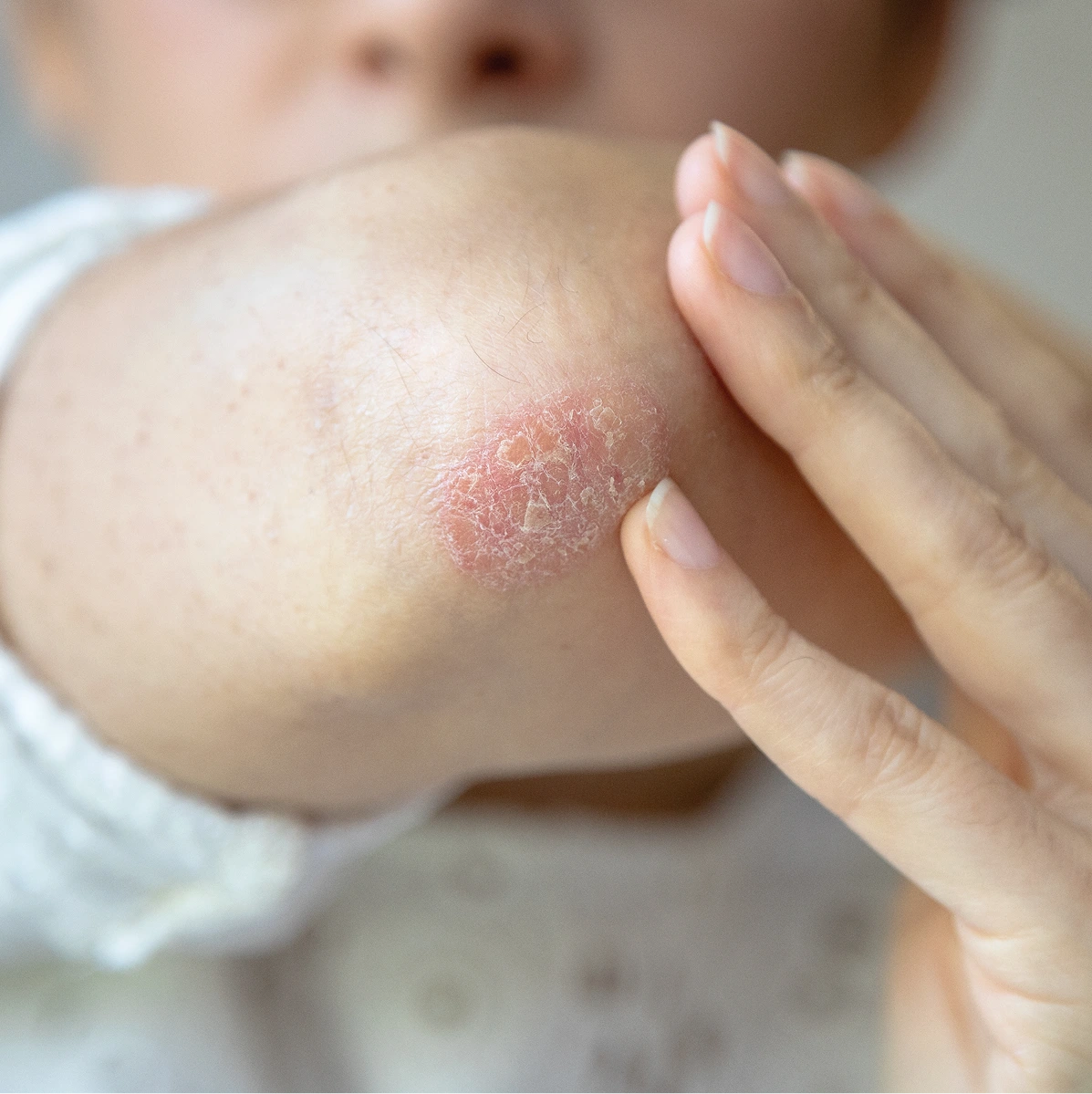
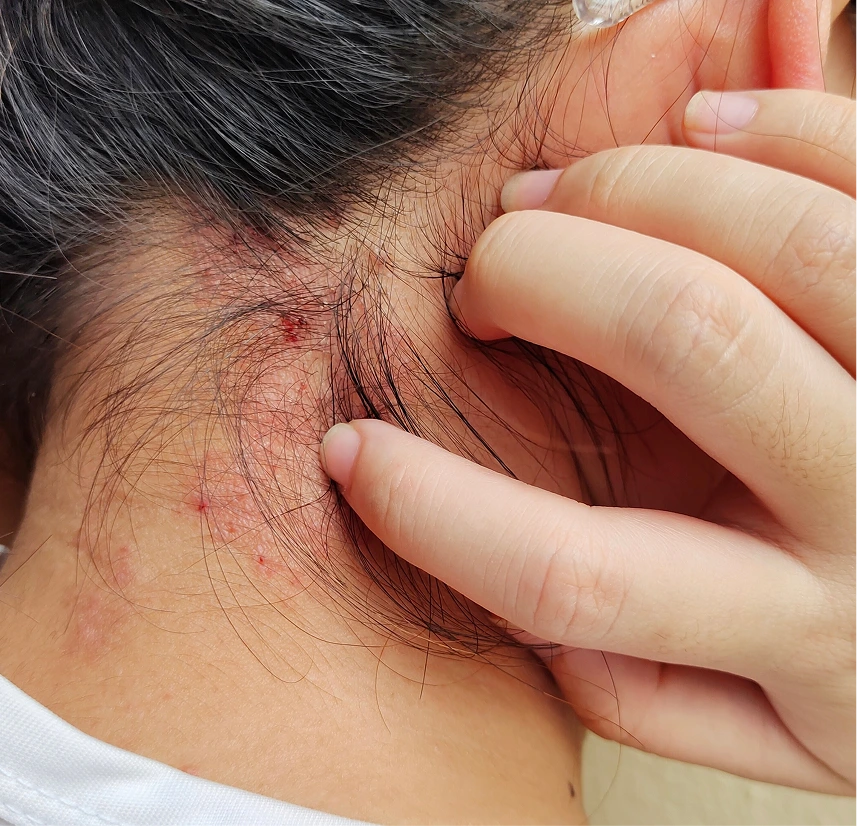
Psoriasis is a chronic systemic inflammatory disease that causes a rapid build-up of skin cells. This buildup often results in painful, itchy plaques of scaly skin commonly seen over the extensor surfaces of the elbows and knees. Nails and scalp may also be affected. As a systemic disease, psoriasis is associated with several other health problems, including cardiovascular disease, malignancy, and joint disease.

Types of Psoriasis

Plaque Psoriasis

Plaque psoriasis is the most common form of psoriasis and is characterized by a rapid buildup of skin cells. This buildup leads to thick, raised plaques that appear as red patches covered with silvery-white scales. These patches commonly develop on the elbows, knees, scalp, and lower back and can cause itching, discomfort, or skin cracking.
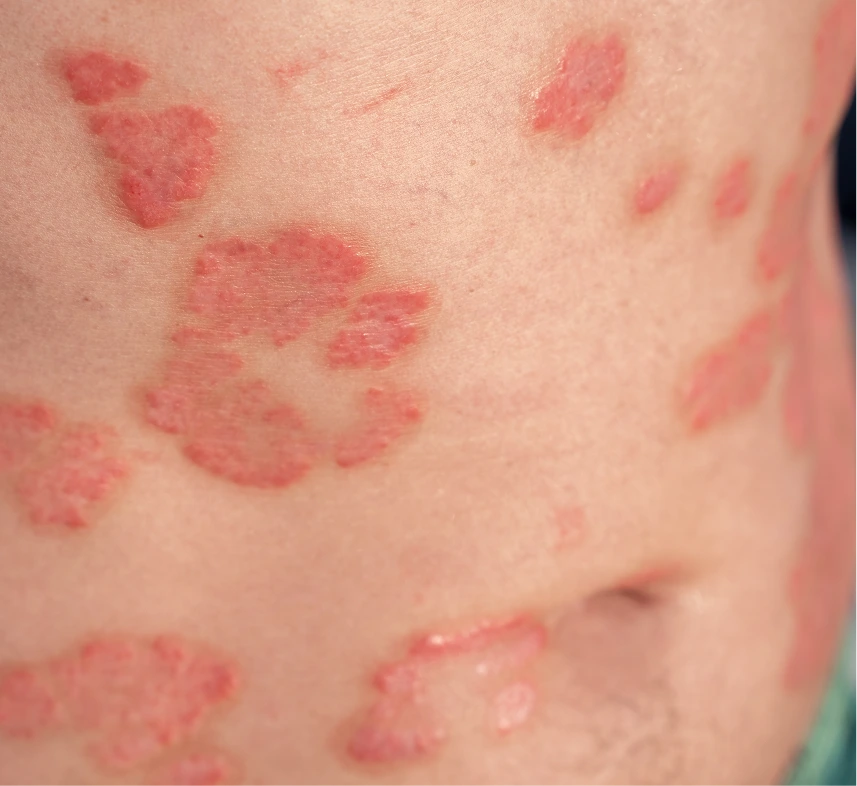
Guttate psoriasis often appears suddenly, especially in children and young adults, and is frequently triggered by infections, such as strep throat. It is marked by small, drop-shaped lesions that form scaly patches across the torso, arms, or legs. While these patches are typically thinner than plaque psoriasis, they can still be uncomfortable and widespread.
Inverse psoriasis affects skin folds, including the armpits, groin, and under the breasts. It is an autoimmune condition that causes smooth, red, inflamed lesions rather than the typical scaling seen in other forms of psoriasis. Friction and moisture can worsen symptoms, making proper diagnosis and treatment especially important.
Pustular psoriasis is a less common but more severe form of psoriasis that results in white, pus-filled blisters surrounded by red skin. These outbreaks may be confined to localized areas, such as the hands and feet, or, in more serious cases, can affect larger portions of the body. This type often requires prompt medical attention due to its potential complications.
Erythrodermic psoriasis is a rare and serious form of psoriasis that affects most of the body’s surface. It causes widespread redness, intense itching or pain, and peeling skin that may feel like it’s burning. Because it can interfere with the body’s ability to regulate temperature and fluid balance, this condition is considered a medical emergency.
Nail psoriasis affects the fingernails and toenails and may occur with or without skin psoriasis. Symptoms can include pitting, discoloration, thickening, or separation of the nail from the nail bed. Nail psoriasis can be painful, impact daily activities, and may be associated with psoriatic arthritis.
Schedule a Consultation

Our Treatment Options

Topical Treatments

Topical treatments are often the first line of care for psoriasis and are commonly used to target inflamed patches of skin directly. These medications may include corticosteroids, vitamin D analogs, or moisturizers designed to reduce redness, scaling, and itching. Topical treatments are especially effective for mild cases of psoriasis and can be an important part of a long-term management plan.
Phototherapy uses controlled exposure to ultraviolet light to slow the rapid growth of skin cells associated with psoriasis. This treatment is performed under medical supervision to ensure safety and effectiveness while minimizing side effects. Phototherapy is often recommended for moderate to severe psoriasis or when topical treatments alone are not providing adequate relief.

Systemic therapy is used for more severe or widespread psoriasis and works throughout the body rather than targeting specific areas. These treatments may include biologic and non-biologic medications to help regulate the immune system, as well as antibiotics when infections contribute to flare-ups. Many systemic therapies rely on active molecules designed to interrupt the inflammatory processes that drive psoriasis symptoms.
What to Expect During Your Appointment

Assessment & Diagnosis

The diagnosis of psoriasis is primarily clinical; however, a skin biopsy is sometimes needed, as other skin conditions can mimic psoriasis. The first assessment is a critical step in successful treatment because it determines therapy.
Limited, or mild-to-moderate, psoriasis can often be managed with topical agents. Patients with moderate-to-severe psoriasis may require phototherapy and systemic therapy with non-biologic and biologic medications. Antibiotics may be needed to control skin infection, which can occur with psoriasis-related skin barrier dysfunction.
Unfortunately, there is no cure for psoriasis at this time; however, there are many treatments available that can offer long periods of symptom-free skin.

Candidates for Psoriasis Treatment

At Regency Specialties, we treat patients from all walks of life who are struggling with psoriasis. Most patients come to us dealing with uncomfortable, itchy patches on their skin. Some have mild cases with just a few spots, while others experience widespread outbreaks that cover large areas of their body. We see many people with psoriasis in body folds, especially those who’ve had difficulty finding treatments that work in these sensitive areas. We also know that stress plays a major role in flare-ups, making an already frustrating condition even worse.

When you visit our clinic, we take the time to understand your situation. We’ll review your medical history and ask about your symptoms, lifestyle, and what you’ve already tried. We consider several factors when planning your care, including where your psoriasis appears, how severe it is, and how it impacts your daily routine. Based on all this information, we create a personalized treatment plan designed specifically for you. Our approach is straightforward: listen to what you’re experiencing, figure out what will actually help, and work together to get your psoriasis under control.

Benefits of
Psoriasis Treatment


Managing psoriasis with professional care can make a meaningful difference in both skin health and overall well-being. The right approach focuses on long-term control, comfort, and confidence – not just temporary relief. Benefits include:

Cost of Psoriasis Treatment in
Phoenix, AZ

The cost of psoriasis treatment in Phoenix can range from approximately $100 to $3,000 or more, depending on the type of treatment required. Pricing is influenced by the severity of the condition, the treatment method used, the length of care, and whether insurance coverage applies. During your consultation, our dermatology team will review your options and provide clear guidance on expected costs before treatment begins.

Brow Lift Cost in Phoenix, AZ Banner
Explore Our Treatments for Healthier Skin

At Regency Specialties, we offer a full range of cosmetic and dermatological treatments designed to support healthier skin and long-term skin wellness. Our approach addresses not only visible symptoms but also related conditions such as psoriatic arthritis, which may require coordinated care. Because psoriasis can be influenced by lifestyle, immune response, and certain medications, every treatment plan is carefully customized. With care led by our board-certified dermatologists, we focus on therapies that help reduce inflammation, manage flare-ups, and improve overall skin comfort and appearance.


Frequently Asked Questions (FAQs)

Do you treat all types of psoriasis?

Yes, we treat all types of psoriasis by addressing how the immune system affects skin cell production, which is the underlying driver of the condition. Our dermatologists manage plaque psoriasis and other forms, including guttate, inverse, pustular, and erythrodermic psoriasis. We also consider contributing factors, such as triggers, lifestyle, and family history, to ensure comprehensive care.
 Psoriasis is considered an autoimmune skin condition, which means there is currently no permanent cure. However, with the right treatment strategy, many patients can achieve long-term control, significantly reduce symptoms, and maintain clear or nearly clear skin for extended periods.
Effective flare-up management depends on how psoriasis patients develop symptoms related to inflammation and abnormal skin structure formation. Treatment is tailored to calm the immune response, slow skin cell turnover, and soothe the affected area as quickly as possible. Early intervention often helps shorten flare duration and reduce severity.
Medications and traditional phototherapy can treat widespread psoriasis and are often effective for full-body involvement. The XTRAC Excimer laser, on the other hand, delivers targeted light therapy directly to plaques in the most common areas, such as the elbows, knees, scalp, and hands, while limiting exposure to surrounding healthy skin.
When considering psoriasis treatment, Phoenix residents choose Regency Specialties for our patient-centered approach and advanced medical expertise. We focus on relieving symptoms such as itching, scaling, and cracked skin while addressing the underlying causes through a deep understanding of psoriasis pathogenesis. Our team prioritizes personalized care, advanced treatment options, and long-term skin health rather than one-size-fits-all solutions.