

Keratosis Pilaris
Treatment
in Phoenix, AZ

Keratosis pilaris can be a frustrating skin condition, often showing up as rough, bumpy patches on the arms, thighs, or cheeks that don’t improve with over-the-counter products. Many patients seek professional treatment because of concerns about persistent texture, redness, uneven skin tone, or self-consciousness when wearing short sleeves or swimwear. In Phoenix’s dry climate, symptoms can feel even more pronounced, making effective, medical-grade care especially important.

Regency Specialties in Phoenix offers targeted keratosis pilaris treatment options designed to smooth the skin, reduce visible bumps, and improve overall comfort and confidence.
What Is
Keratosis Pilaris?

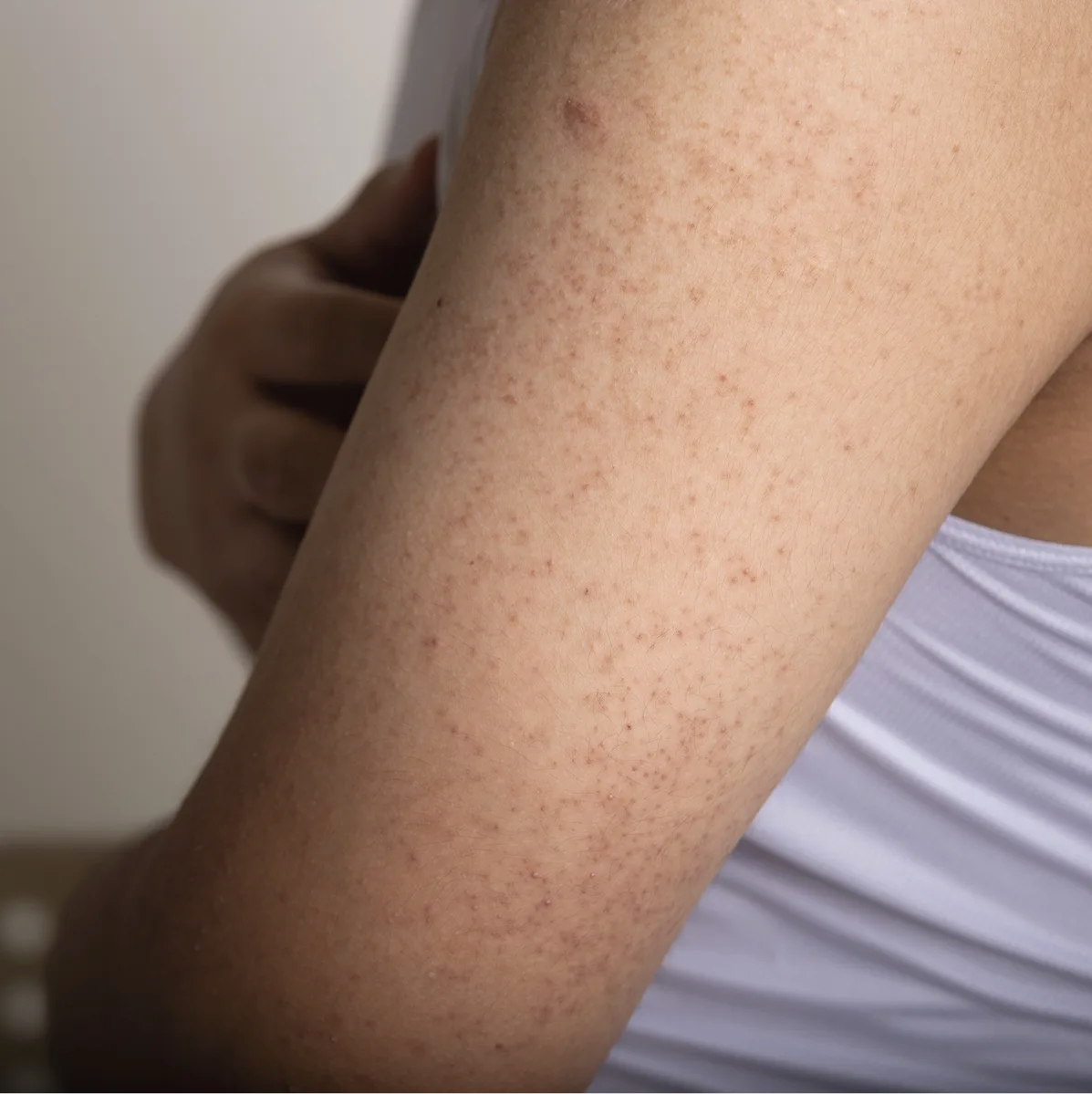
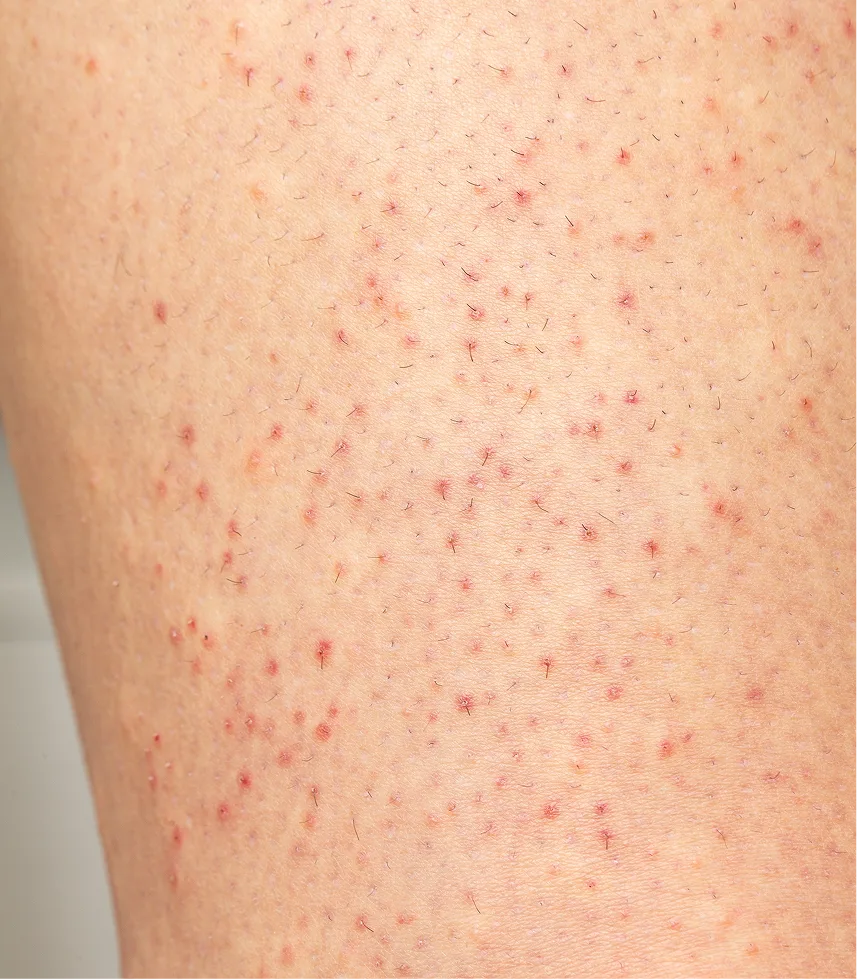
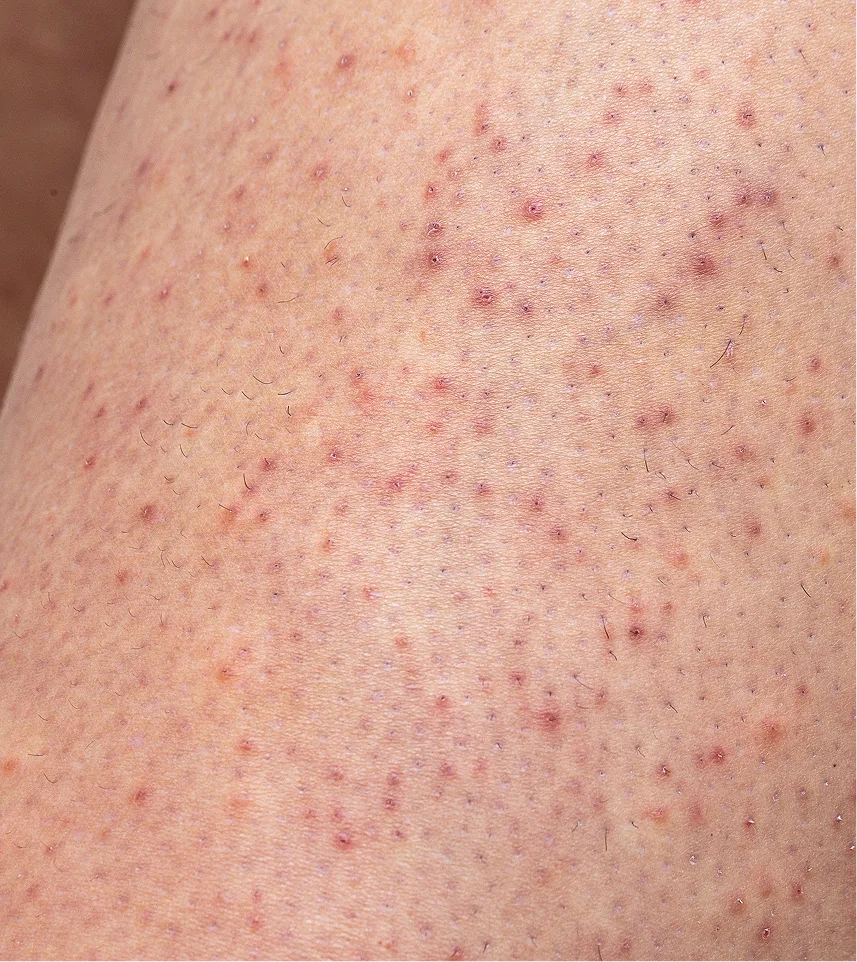
Keratosis pilaris is a benign, genetic condition causing dry, itchy, and thick bumps on the skin. It may resemble goosebumps or be mistaken for acne. The bumps are caused by plugs of dead skin around hair follicles. Keratosis pilaris generally appears during childhood, and for some people, it may fade or resolve during adulthood. People with eczema, allergies, asthma, and a family history of keratosis pilaris are at a higher risk for developing this skin condition. Keratosis pilaris can be seen anywhere on the body (apart from the palms and soles), but is most commonly seen on the upper arms, thighs, cheeks, and buttocks.

Treatment Options

Treatment of keratosis pilaris is required if the bumps or dryness are symptomatic or cosmetically bothersome; otherwise, it is a harmless condition, and treatment is not necessary. Those who choose treatment should be aware that it will be an ongoing process, as there is no cure for keratosis pilaris. However, it may resolve on its own with time.
This condition may be improved by frequent moisturizing with fragrance- and dye-free moisturizers and by using soaps specifically formulated for sensitive skin. There are also several over-the-counter products containing lactic acid, salicylic acid, and urea that can help exfoliate the skin and flatten bumps. Gentle exfoliation with a washcloth or loofah may also benefit the affected skin.
Prescription-strength topicals are often a first-line option for managing keratosis pilaris and improving overall skin texture. These treatments may include medicated lotions formulated to gently exfoliate and soften rough patches, as well as topical retinoids that help prevent clogged follicles and encourage smoother skin over time. By addressing excess keratin buildup and supporting healthy skin renewal, these prescriptions can be especially helpful for patients struggling with persistent bumps made worse by dry skin.
Chemical peels can be an effective option for patients looking to improve the appearance and feel of keratosis pilaris by targeting the outer layers of the skin. Using carefully selected exfoliating solutions, this treatment helps remove dead skin cells and promotes increased cell turnover, which can reduce roughness, smooth uneven texture, and improve skin clarity. Over a series of treatments, many patients notice softer, more even-looking skin in affected areas.
Laser therapy may be recommended for patients with keratosis pilaris who also experience significant redness or inflammation, as well as skin texture concerns. This advanced treatment targets underlying redness and stimulates skin remodeling, improving both tone and smoothness. Laser therapy is often used in combination with other treatments to enhance results and provide a more comprehensive approach to managing stubborn or widespread keratosis pilaris.
Schedule a Consultation

Your Appointment: What to Expect?

Your appointment begins with a personalized consultation, during which your provider will evaluate your skin, review your concerns, and confirm whether keratosis pilaris is the underlying cause of your symptoms. This is an opportunity to discuss your goals, prior treatments you may have tried, and any factors that could be contributing to flare-ups.
Based on your consultation and skin assessment, your provider will create a customized treatment plan tailored to your specific needs. This plan may include one or a combination of in-office treatments and prescription-strength products designed to address both texture and discoloration.
During the treatment session, the selected procedure is performed on the affected area with care and precision. The length and sensation of the treatment can vary depending on the option chosen, but most patients find the process comfortable and manageable.
After your appointment, you’ll receive clear aftercare instructions to support healing and enhance your results. Follow-up visits may be recommended to monitor progress, adjust your approach if needed, and help maintain smoother, healthier-looking skin over time.

Who Is Typically
Affected by
Keratosis Pilaris?

Keratosis pilaris is a common skin condition that can affect people of many backgrounds and skin types, often beginning in childhood or adolescence and sometimes improving with age. It is caused by follicular keratosis, a process in which excess keratin forms keratin plugs that block hair follicles, trapping dead skin cells and leading to a rough, bumpy texture. While the condition may occur on the arms, thighs, cheeks, or buttocks, severity can vary widely, with some individuals experiencing only mild roughness and others developing redness, inflammation, or more widespread involvement in severe cases. Keratosis pilaris is considered chronic, meaning it can persist long term, and genetics play a significant role in who develops it, though certain medications and environmental factors may also influence flare-ups.

Benefits of Keratosis Pilaris Treatment

Cost of Keratosis
Pilaris Treatment in
Phoenix, AZ

The cost of keratosis pilaris treatment in Phoenix typically ranges from $150 to $600 per session, depending on the treatment type and the size of the affected area. Factors such as the number of sessions needed, combination therapies, and whether prescription-strength topicals or in-office procedures are used can influence the total cost. Many patients find that investing in professional treatment is worthwhile for smoother, healthier-looking skin and long-term improvement in texture and appearance.

Enhance Your Skin's Appearance Today!

When considering keratosis pilaris treatment, Phoenix patients often look for solutions that go beyond temporary relief from bumps and rough patches. Our experienced dermatologists can recommend treatments that help reduce keratin buildup, restore moisture, and smooth the affected area safely. Unlike home remedies that rely on harsh soaps or over-the-counter scrubs, professional care targets the root causes of follicular keratosis while minimizing the risk of irritation or infection. If you’re ready to treat your keratosis pilaris effectively and improve your skin’s overall appearance, contact us today to schedule a consultation and start your personalized care plan.

Frequently Asked Questions (FAQs)

Keratosis pilaris is commonly called “chicken skin” because the small, rough bumps resemble the texture of a plucked chicken’s skin. These bumps occur when keratin, a natural protein in the skin, builds up and forms tiny plugs in the hair follicles, creating the characteristic uneven, bumpy appearance.
No, keratosis pilaris is generally a harmless, common skin condition and is not a sign of a severe health problem. While it can cause cosmetic concerns or mild irritation, it does not indicate an underlying disease. However, if you notice unusual changes in your skin or other symptoms, it’s always a good idea to consult a dermatologist.
No, keratosis pilaris does not increase the risk of hair loss. The condition affects the outer layer of the hair follicle, leading to bumps and rough texture, but it does not damage the hair root or interfere with hair growth. Hair in affected areas typically remains healthy.