


Vitiligo Treatment
in Phoenix, AZ

Millions of people worldwide have vitiligo, and it affects males and females equally. If you have this condition or believe that you do, please visit us. Our dermatology specialists can accurately diagnose your condition and provide the optimal treatment.

What Is Vitiligo?

Vitiligo is a relatively common disorder causing loss of pigment in the skin. The cause of vitiligo is unknown, and there is no cure; however, it is thought to be an autoimmune condition. Statistics show that 25% to 50% of people with vitiligo have a family member affected by the disorder. Apart from the loss of pigmentation in the skin, there are no other symptoms associated with vitiligo. This condition is not contagious.
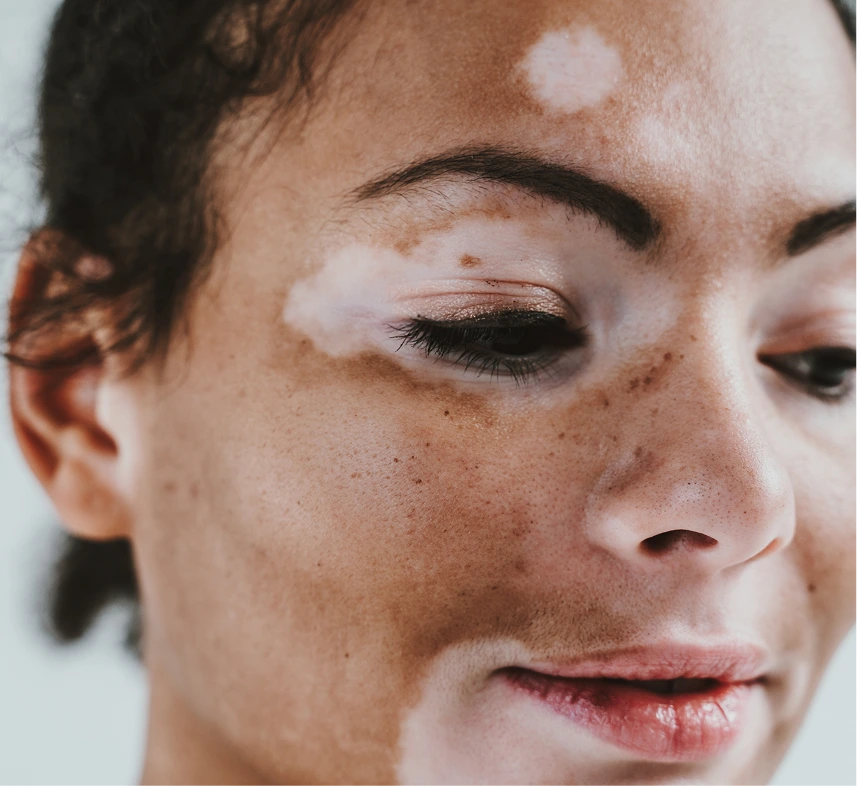
Our Treatments for Vitiligo


Treatment for vitiligo is often multi-factorial.

Topical Corticosteroids

Topical corticosteroids are commonly prescribed to help reduce inflammation and slow the immune system’s attack on pigment-producing cells in the skin. When applied directly to affected areas, these creams or ointments can help restore some pigmentation over time, especially if treatment begins early. Your dermatologist will tailor the strength and duration of use to ensure safety and effectiveness.
Topical calcineurin inhibitors, such as tacrolimus and pimecrolimus, are alternatives to steroids that modulate the immune system in the skin. They are especially useful for sensitive areas like the face, neck, or folds of the body, where long-term steroid use may be less safe. These medications can help halt the progression of vitiligo and may encourage repigmentation over several weeks to months.
Oral corticosteroids are sometimes used when vitiligo is progressing rapidly or affecting large areas of the body. By reducing systemic inflammation, these medications can help stabilize pigment loss and give other treatments a better chance to work. Because oral steroids carry more potential side effects, your dermatologist will closely monitor your dosage and treatment schedule to ensure they are safe and effective.
We also recommend limited light therapy through a window to affected areas daily. Additional light therapies and autologous grafting therapies may be added for persistent disease. Research is still underway on new ways to treat vitiligo and possibly restore some color to the skin.
Schedule a Consultation

Your Appointment: What to Expect

Initial Consultation

During your first visit, our dermatology specialists will review your medical history and ask about your skin concerns. We will examine your skin condition carefully to analyze the areas affected and understand how the vitiligo may be progressing.
Next, we may perform tests or use specialized imaging to evaluate your affected skin cells. This helps us confirm the diagnosis and rule out other conditions, ensuring you receive the most accurate care possible.
Based on your evaluation, we will create a customized treatment plan tailored to your needs. This plan considers many factors, including the extent of pigment loss, your overall health, and lifestyle preferences.
We will provide clear instructions on how to use medications, apply topical treatments, and protect your skin. Understanding your condition and the role of daily care is essential for the best possible outcomes.
Regular follow-up visits allow us to track progress, adjust treatments as needed, and address any questions or concerns. Ongoing monitoring ensures your treatment remains safe and effective over time.

Aftercare Tips

Taking care of your skin after treatment is essential for maintaining results and protecting your skin. These simple steps can help reduce risk and support healthy pigmentation.

Candidates for Vitiligo Treatment

Vitiligo treatment can benefit a wide range of individuals, but certain patients may see results more quickly or notice improvements sooner. Those with darker skin often find that white patches are more noticeable, making early treatment particularly helpful. Vitiligo patients with affected areas on the body or neck may also benefit from intervention, as these regions are often exposed to the sun and more prone to discoloration. Even mild symptoms, such as itching, can indicate the immune system is active, signaling that treatment may help preserve skin tone.
Candidates for treatment are generally those whose melanin-producing cells are still able to produce pigment, despite the immune system attacks that cause vitiligo. Factors like stress, sun exposure, and the extent of discoloration all play a role in determining treatment effectiveness. Early intervention can help manage progression, reduce the appearance of white patches, and help patients maintain even-toned skin.

Benefits of
Vitiligo Treatment

Vitiligo treatment can help manage the condition, improve your skin’s appearance, and support your overall well-being. Key benefits include:

Cost of Vitiligo Treatment in
Phoenix, AZ

The cost of vitiligo treatment in Phoenix typically ranges from $150 to $500 per session, depending on the type of therapy and the size of the areas being treated. Insurance coverage may vary, and some treatments may require multiple sessions for the best results. During your consultation, our specialists will provide a personalized estimate and help you understand your coverage and payment options.

Brow Lift Cost in Phoenix, AZ Banner
Relieve Your Vitiligo Symptoms at Regency Specialties

To enjoy the best possible results with Vitiligo treatment, Phoenix residents can turn to Regency Specialties for professional care and guidance. During your consultation, our dermatologists will assess your skin, discuss your goals, and explore the full range of possibilities for treatment.

Our approach focuses on helping your skin function properly and supporting melanocytes to produce pigment, improving the appearance of affected areas. We offer advanced therapies, such as phototherapy and topical treatments, without surgical procedures, providing safe options tailored to your needs. With personalized care, you can take proactive steps toward healthier skin.

Frequently Asked Questions (FAQs)

Why do some patients need wound reconstruction after plastic surgery?

Yes, our treatments are designed to accommodate a wide range of skin types. We carefully tailor therapies based on your individual needs and may include topical medications to help restore pigmentation safely and effectively, ensuring the best results for each patient.
Some providers use XTRAC laser therapy because it targets affected areas with precise ultraviolet light, which can help stimulate pigment production in patients with vitiligo. Since vitiligo is an autoimmune disorder, treatments like XTRAC can help control progression and support repigmentation when used under professional guidance.
Many patients find topical medications to be a gentle and safe option for managing vitiligo, especially for sensitive areas of the skin. The XTRAC Excimer laser is also safe when administered by trained professionals, but it is often combined with other treatments to maximize effectiveness and minimize side effects. Your dermatologist can help determine which approach is safest and most effective for your condition.

Schedule an Appointment at Regency Specialties

If vitiligo or other skin concerns are present, our team at Regency Specialties is here to provide professional care and relief. Our doctors can evaluate affected areas, whether the problem appears on the scalp, hair, mouth, nose, lips, feet, knees, or other parts of the body, and recommend the most effective treatment plan. We also treat conditions like psoriasis to help improve your skin’s health and comfort.

Don’t wait – contact us today to schedule your appointment and take the first step toward healthier, more even-toned skin.