

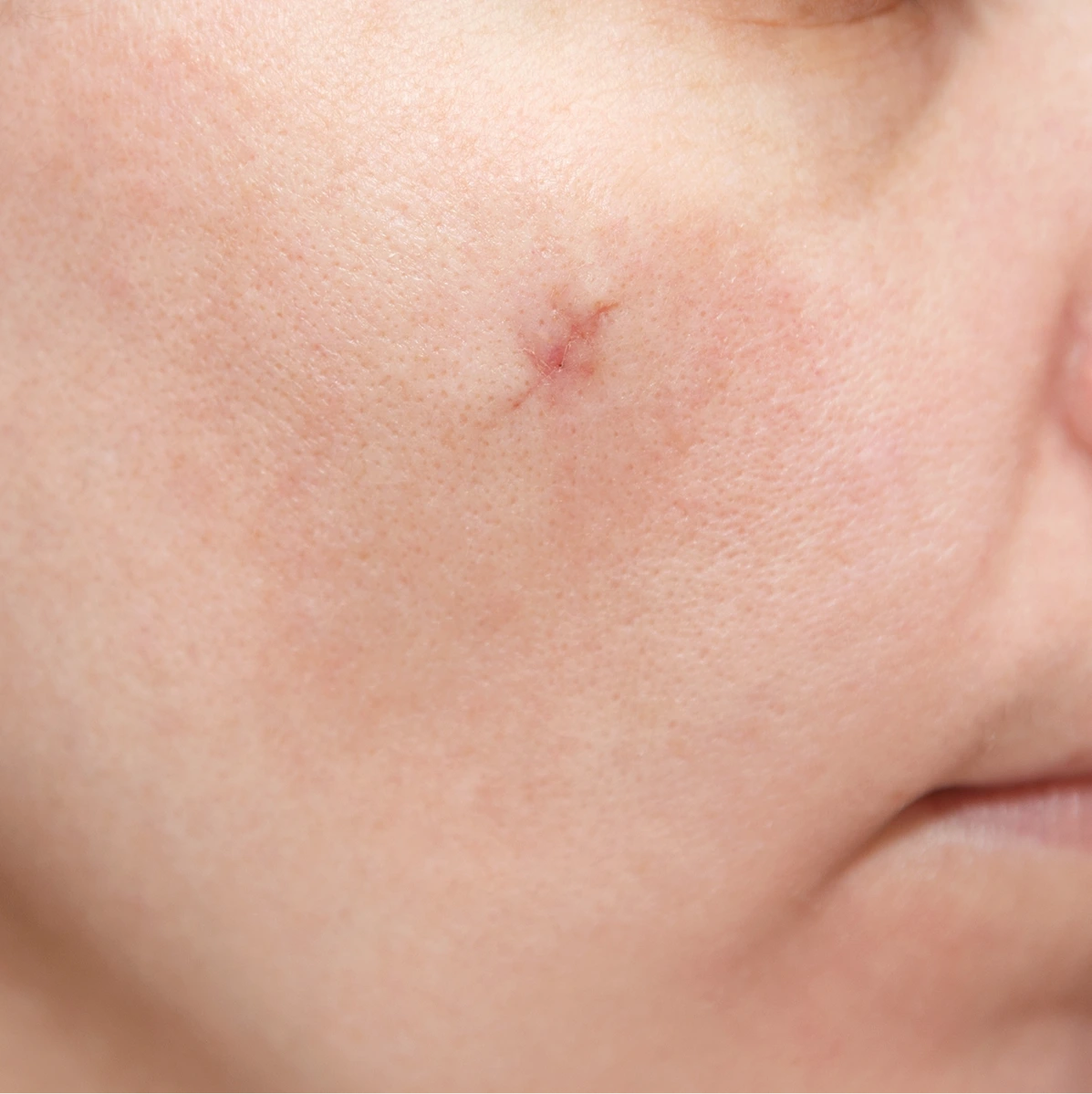
Regency Specialties has partnered with leading community wound centers in Phoenix, AZ, to offer a comprehensive approach to wound reconstruction. By combining the latest advances in soft-tissue reconstruction with state-of-the-art wound care and hyperbaric medicine, our team provides patients with effective treatment plans that promote faster healing and restore function.
Whether dealing with chronic wounds, traumatic injuries, or complex surgical sites, Regency Specialties in Phoenix leverages cutting-edge techniques and multidisciplinary expertise to optimize outcomes and improve quality of life for every patient.
Complex and chronic wounds can be severely debilitating to every aspect of a patient’s health and social interaction. Wounds may have difficulty healing due to reduced capacity to heal, underlying infection, and other factors. Wound reconstruction restores function to the affected areas through advanced treatment.
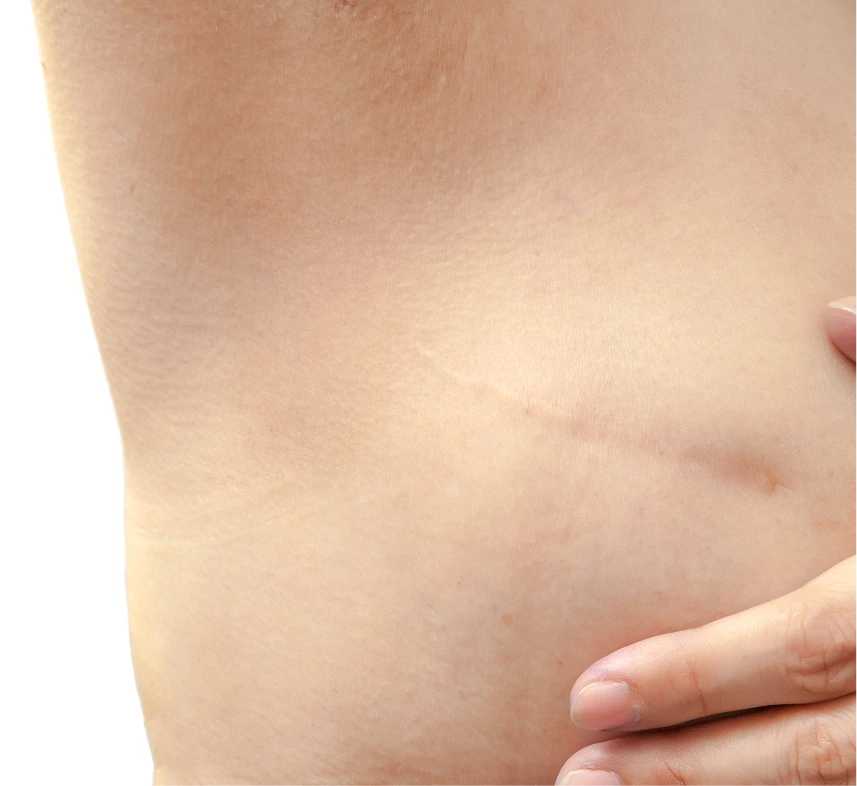
Traumatic Injuries
Our team treats traumatic injuries that affect the skin, muscles, and underlying structures. Trauma can damage blood vessels, bones, and nerves, requiring careful reconstruction to restore both appearance and function. Using advanced surgical techniques, we repair and rebuild soft tissue while supporting healing and minimizing long-term complications.
Chronic Wounds
Oncologic Defects (Post-Cancer Removal)
Burn Injuries
Surgical Complications
Skin grafting involves transferring healthy skin from one part of the body to cover a wound that cannot heal on its own. This technique helps protect underlying tissues, reduce the risk of infection, and support the regeneration of healthy skin.
The first step in your wound reconstruction journey is meeting with our doctor for a thorough evaluation. During this visit, we will review the details of your condition, answer any questions you may have, and discuss your goals. Together, we will develop a personalized treatment plan designed to achieve the best possible outcomes for your healing and recovery.
After wound reconstruction, patients can expect a gradual healing process that varies depending on the size and complexity of the repair. Over the following weeks, it is important to follow your surgeon’s instructions closely, as dressings and supports help the wound edges stick together and promote proper healing. While some swelling and tenderness are normal, we are committed to guiding you through each step, monitoring your progress, and helping optimize both function and appearance.
Typical Recovery Timeline:
Wound reconstruction may be recommended for patients with complex wounds that cannot heal on their own or affect critical areas of the body. Common sites include the wrist, foot, and abdomen, though injuries can occur anywhere, including the nose and other facial areas. Candidates often experience pain, limited function, or complications from an underlying illness that slows natural healing. Our specialists carefully evaluate each patient to determine whether reconstruction is the best option to restore form, function, and quality of life.

Wound reconstruction can significantly improve both healing and overall well-being. By addressing the underlying damage and restoring structure, these procedures help patients regain confidence and comfort.
Key benefits include:
The cost of wound reconstruction in Phoenix, AZ, can range from $5,000 to $25,000, depending on the procedure’s complexity and the extent of tissue repair needed. Cases that require extensive reconstruction or involve multiple areas of the body may fall on the higher end of this range. In Arizona, many insurance plans may help cover a portion of the cost, and our team works closely with patients to discuss options and provide clear guidance before any procedure.

Our wound reconstruction specialist, Dr. Mussman, has healed wounds that had existed for decades in patients who had nearly lost all hope. Dr. Mussman has also cleared infections and provided soft tissue coverage to save limbs, reconstruct cancer defects, and salvage exposed medical devices and hardware for many patients.
Dr. Mussman will be glad to discuss any concerns with you during your consultation. He will also outline a treatment plan created specifically for you and your needs. Please contact us for an appointment if you are interested in advanced wound reconstruction with Dr. Mussman.
Some patients require wound reconstruction after plastic surgery when healing is delayed or complications arise from surgical procedures. Even with careful planning, certain wounds may not close properly, develop infections, or involve deeper tissue damage. Our team works closely with plastic and cosmetic surgeons to address these issues, restoring both function and appearance for optimal outcomes.
Yes. When considering wound reconstruction, Phoenix residents with severe injuries or chronic wounds may benefit from procedures designed to preserve the limb. By repairing soft tissue, blood vessels, and underlying structures, wound reconstruction can prevent amputation and improve overall function.