

Person's legs and torso shown from side, hands touching thigh and knee area

Lipedema Surgery
in Phoenix, AZ

Lipedema is a chronic and often misunderstood condition that causes abnormal fat accumulation in the legs, hips, buttocks, and sometimes arms. It can lead to pain, swelling, mobility limitations, and significant changes in quality of life. At Regency Specialties, we provide advanced surgical treatment options for lipedema, including liposuction, brachioplasty, thighplasty, and skin tightening, and many of these procedures may now qualify for insurance coverage when medically necessary. Our goal is to help patients reduce pain, improve mobility, and restore comfort and confidence through safe, effective, and medically supported care.

Insurance Coverage Now Available

Many lipedema surgeries, including liposuction and select skin‑excision procedures, may qualify for medical insurance coverage when properly documented.

What Is Lipedema?

Lipedema is a chronic adipose tissue disorder that causes symmetrical fat buildup in the legs, hips, buttocks, and sometimes arms. Unlike typical fat accumulation, lipedema does not respond to diet or exercise and often worsens over time. Patients may experience pain, tenderness, swelling, easy bruising, and difficulty with mobility. The condition primarily affects women and is often triggered or worsened by hormonal changes such as puberty, pregnancy, or menopause.
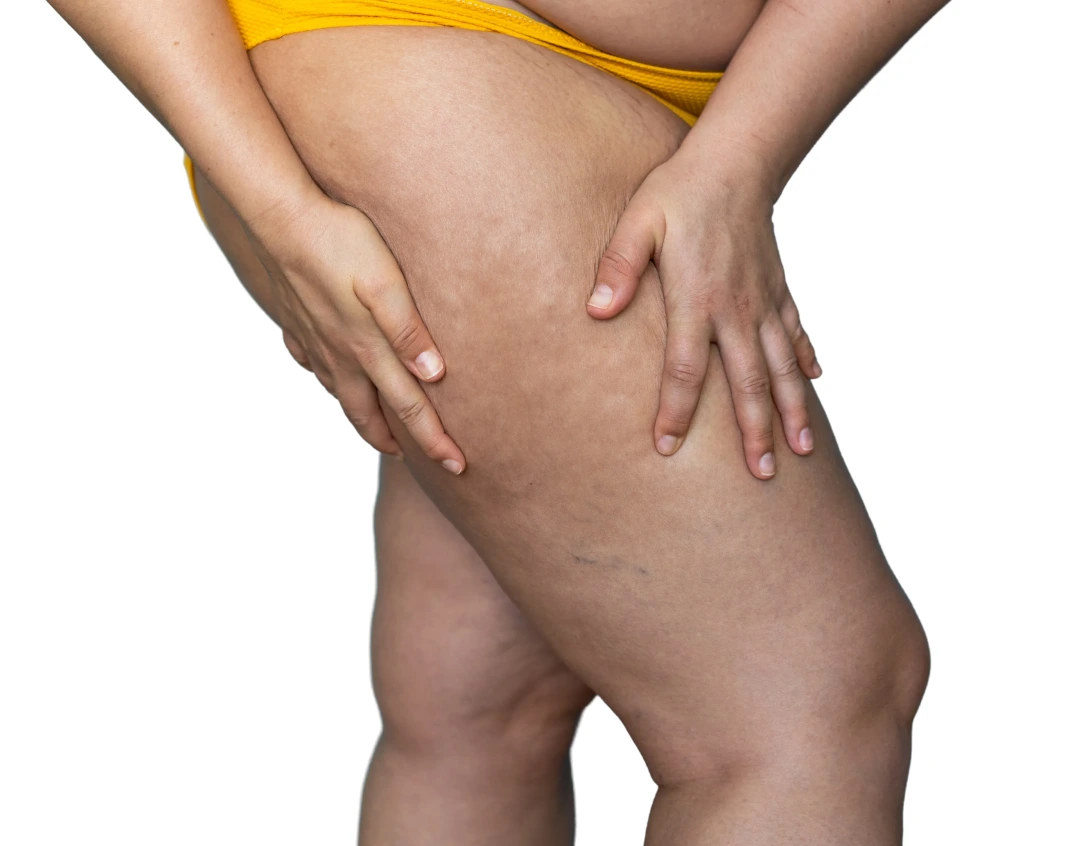
Person's legs and thighs showing lipedema with characteristic swelling and tissue texture
Insurance Coverage for Lipedema Surgery

Insurance coverage is now a major part of lipedema treatment. Many insurers recognize lipedema surgery as medically necessary when symptoms, pain, and functional limitations are properly documented. This makes it possible for patients to access essential surgical care, including liposuction and certain skin excision procedures, with significantly reduced out‑of‑pocket costs.

Symptoms
& Stages
  • Painful fat deposits
  • Symmetrical swelling in legs or arms
  • Easy bruising
  • Heaviness and fatigue
  • Nodules or firmness under the skin
  • Difficulty walking or standing for long periods
  • Progressive enlargement of affected areas

Related Conditions

Person's legs and hands demonstrating swelling or texture in the lower leg area against a neutral background

Abscess

Localized infection that may occur in areas of friction or swelling.

Cellulitis

A bacterial skin infection that can develop when tissue is compromised.

Lymphedema

Fluid buildup that may occur alongside lipedema in advanced stages.

Venous Insufficiency

Circulation issues that can worsen swelling and discomfort.

Obesity (distinct from lipedema)

May coexist but does not cause lipedema.

Consultation & Diagnosis

During a lipedema evaluation, our team examines the affected areas, reviews medical history, and assesses symptoms such as pain, swelling, and bruising. Diagnosis is based on clinical examination and documentation of functional impairment. Insurance‑covered treatment typically requires a confirmed diagnosis, medical records documenting symptoms, evidence of functional limitations, and prior authorization.

Treatment Options for Lipedema

Lipedema Liposuction

Removes diseased fat tissue to reduce pain, swelling, and heaviness.
Removes excess skin from the arms after liposuction.
Addresses severe skin laxity in the thighs.
Removes lower abdominal skin and fat when medically necessary.
Enhances contour and firmness after liposuction.
Woman's legs displayed showing smooth, contoured appearance after lipedema liposuction

Lipedema Liposuction

Woman's legs displayed showing smooth, contoured appearance after lipedema liposuction
Lipedema liposuction is the primary surgical treatment for reducing painful fat deposits. This procedure targets the legs, hips, buttocks, arms, and lower abdomen. By removing diseased adipose tissue, patients often experience:
  • Reduced pain and tenderness
  • Improved mobility
  • Decreased swelling
  • Better limb function
  • Enhanced quality of life

Skin Tightening

Skin tightening technologies can be added to liposuction to improve firmness and contour. These treatments help smooth the skin, enhance results, and support long‑term comfort.

Recovery & Results

Patients typically experience swelling, bruising, and soreness for several weeks. Compression garments are essential for healing and comfort. Results include:
  • Reduced pain
  • Improved mobility
  • Slimmer, more balanced contours
  • Better daily function
  • Long‑term symptom relief

Candidates for Lipedema Surgery

Ideal candidates include individuals who:
  • Have a confirmed diagnosis of lipedema
  • Experience pain, swelling, or mobility limitations
  • Have progressive enlargement of legs or arms
  • Have difficulty with daily activities
  • Have failed conservative treatments

Benefits of Lipedema Surgery

Lipedema surgery offers meaningful improvements in daily comfort, mobility, and overall quality of life. By removing diseased fat and addressing excess skin, patients often experience reduced pain, improved limb function, and greater ease in movement. These changes can significantly enhance confidence, physical capability, and long‑term well‑being.

Cost of Lipedema Surgery

Costs vary depending on the extent of liposuction, number of areas treated, and whether skin excision is required. Insurance may significantly reduce or fully cover costs when criteria are met. A personalized quote is provided after consultation.

Frequently Asked Questions (FAQs)

Is lipedema the same as obesity?

No. Lipedema is a distinct medical condition involving abnormal fat tissue.
Yes, many insurers now provide coverage when medically necessary.
This depends on severity, number of affected areas, and functional goals.
Surgery removes diseased fat, but long‑term management is still important.
When performed by trained specialists, it is considered safe and effective.

Schedule a Consultation